
You’ll need to check your state and local laws first. Some states like Indiana and California prohibit home burial entirely. Contact your county clerk to learn permit requirements and filing procedures. You’ll file a death certificate and obtain a disposition permit before burial.
Most states allow burial within 24 hours without embalming if you keep the body cool. Choose a burial site away from water sources and property lines. Mark the gravesite clearly with fencing or a stone marker. The specific steps for your location get more detailed as you move forward.
Verify State and Local Home Burial Laws
Before you dig a grave on your property, you must check what’s legal where you live. State laws form the foundation. Most states permit home burial on private land. However, Indiana, California, and Washington State prohibit it entirely. No exceptions there.
Your state laws are just the beginning. Local zoning ordinances and county regulations often impose stricter rules. A state might allow home burial, but your town could ban it. You’ll need to verify both layers.
Contact your county clerk or town clerk directly. They’ll explain current regulations and permit requirements. Some states demand funeral director involvement for specific steps. Others don’t. Get official confirmation before proceeding.
Distance requirements matter too. Burial sites typically need specified distances from property lines and water sources. These measurements vary by location. Local authorities enforce them strictly.
Obtain Permits and File Required Documentation
You’ll need to navigate two steps: getting your home burial permit and filing the death certificate. First, contact your local county or town clerk to apply for the permit and learn any filing procedures specific to your area. Then, you’ll file the death certificate with the county registrar or clerk, which documents the disposition and creates an official record of the burial.
Death Certificate Filing Requirements
What happens immediately after someone dies at home? You’ll need to file a death certificate with your county clerk or registrar. A physician, nurse, or medical examiner must complete this document. Many states require a funeral director to handle filing and disposition permits, even for home burials.
| Step | Timeline | Who Handles It |
|---|---|---|
| Death certificate completion | Immediately | Medical professional |
| Certificate filing | Within days | Funeral director or you |
| Disposition permits | Before burial | County registrar |
Filing timing matters significantly. Immediate filing allows you to proceed with transport and land-use approvals faster. You’ll need specific forms and may face fees. Some states mandate acknowledgments during submission. Contagious disease reporting requirements can affect your approved burial methods. Check your state’s regulations carefully—they vary considerably and directly impact your backyard burial timeline.
Local Permit Application Process
How do you actually get permission to bury someone in your backyard?
You’ll need to submit a burial permit application to your county or town clerk’s office. This process isn’t complicated, but it does require attention to detail and proper documentation.
Here’s what you’ll typically do:
- Contact your local clerk’s office to request the burial permit application and home burial requirements specific to your area
- Gather required documents including the death certificate, proof of property ownership, and your designated burial site plan
- Submit your completed application along with any mandatory environmental or sanitary compliance forms
You’ll also need to provide details about the burial location itself. Include measurements showing distances from property lines and water sources. Some jurisdictions require a funeral director’s involvement for portions of the process. Processing times vary, so apply early. Once approved, you’ll receive specific conditions regarding record-keeping and site marking requirements.
Understand Burial Timing and Body Preservation Rules
You’ll need to work within your state’s 24-hour window. Most jurisdictions allow burial within 24 hours without embalming, but if you’re planning a longer viewing period or need more time for arrangements, you’ll have to preserve the body through refrigeration, dry ice, or embalming to stay compliant with local regulations.
The 24-Hour Window
Timing matters when you’re planning a backyard burial. The 24-hour window is important for your legal compliance and preservation decisions. You’ll want to understand how this timeframe affects your options.
- Burial within 24 hours allows you to skip refrigeration and embalming requirements in many jurisdictions, saving money and simplifying the process.
- After 24 hours, preservation methods or embalming becomes legally required in most areas to prevent decomposition and protect public health.
- Documentation and local rules must align with your state statutes and health department regulations to avoid noncompliance.
If you’re planning a public viewing, you’ll likely need additional preservation steps regardless of timing. Contact your local health department before the 24-hour mark passes. They’ll clarify what your specific jurisdiction requires. This proactive approach prevents costly mistakes and keeps you following proper procedures throughout the entire backyard burial process.
Preservation Methods and Timeline
Understanding what happens to a body after death shapes your entire burial plan. After the initial 24-hour window, you’ll need preservation methods if your home burial extends beyond 48 hours. Embalming isn’t always required, but refrigeration or other preservation techniques help you comply with state and local regulations. This timing matters because decomposition accelerates without intervention.
| Timeline | Method | Purpose | Requirements |
|---|---|---|---|
| 0-24 hours | None needed | Quick burial | Must bury within window |
| 24-48 hours | Refrigeration | Slow decay | Basic cooling setup |
| Beyond 48 hours | Embalming | Long-term preservation | Licensed professional |
| Special cases | Specific handling | Disease control | Health department approval |
Your state’s rules determine what you’re legally allowed to do. Some regions permit natural preservation methods for home burials. Others mandate professional embalming. Check local requirements before making decisions about your burial timeline and preservation approach.
Choose and Prepare Your Private Property Burial Site
Where exactly can you dig on your own land? You’ll need to navigate local zoning rules and county restrictions before selecting your private property burial site. Contact your town clerk to understand setback requirements from property lines and water sources. These regulations protect groundwater and future neighbors.
Navigate local zoning rules and county restrictions to select your private property burial site legally and responsibly.
Consider these practical steps:
- Review local zoning codes for burial site restrictions and required distances from wells or streams
- Mark the designated area clearly with fencing or markers to prevent accidental disturbance and document the location permanently
- Verify soil conditions and drainage patterns for proper grave preparation and environmental safety
Choose elevated, well-drained ground away from high-traffic areas. Document everything carefully. Your burial site affects future property transactions and ownership transfers. Planning ahead prevents complications later.
Transport the Body to Your Home Burial Site
Once you’ve secured all necessary permits and chosen your burial site, you’ll need to move the deceased from where they currently are to your property. Most states allow self-transport using a personal vehicle. However, check your local regulations first. Some states require a funeral director’s involvement for certain paperwork or transport steps.
If delays exceed 24–48 hours, you’ll likely need embalming or refrigeration. This keeps the body preserved during transport. Contagious disease cases also require special handling procedures.
For out-of-state burial transport, verify each state’s specific rules on infectious disease handling and embalming requirements. Contact relevant authorities and your receiving burial site beforehand.
Consider hiring a licensed carrier if self-transport feels overwhelming. They’ll ensure compliance with all permits and regulations, giving you one less responsibility during this difficult time.
Bathe, Dress, and Preserve the Body at Home
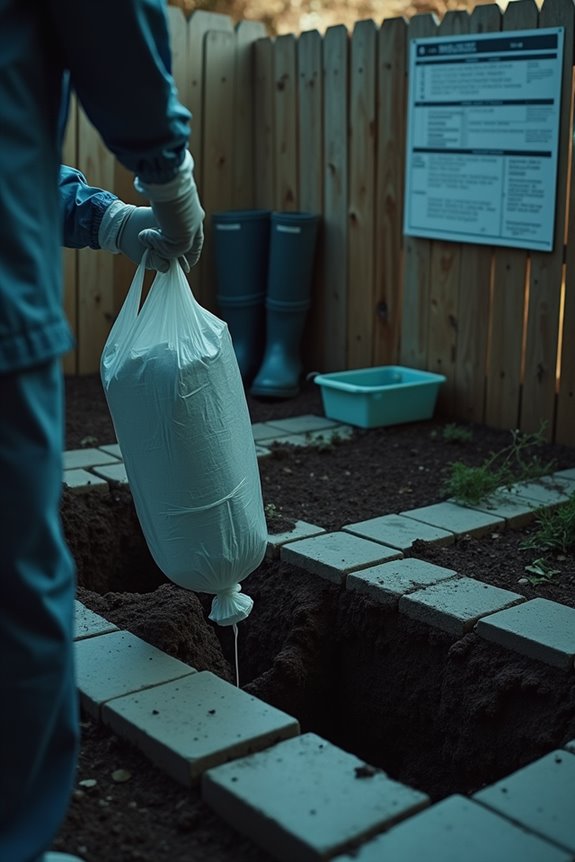
How do you prepare your loved one’s body when you’re handling home burial yourself?
You’ll bathe and dress the body with care. Keep it cool afterward. This matters for your burial home setup.
- Bathing and dressing: Wash the body gently using warm water. Dress them in clean, comfortable clothing they’d have chosen.
- Cooling preservation: Store the body in your coolest space. Use dry ice if needed. This prevents decomposition without embalming regulation requirements for quick burials.
- Timeline considerations: Burial within 24 hours often avoids embalming requirements entirely. Beyond 48 hours, you’ll need refrigeration or preservation steps.
Check your local rules first. Some areas restrict handling or require medical examiner notification, especially with contagious diseases. These steps honor your loved one while respecting legal boundaries.
Dig the Grave and Lower the Body Properly
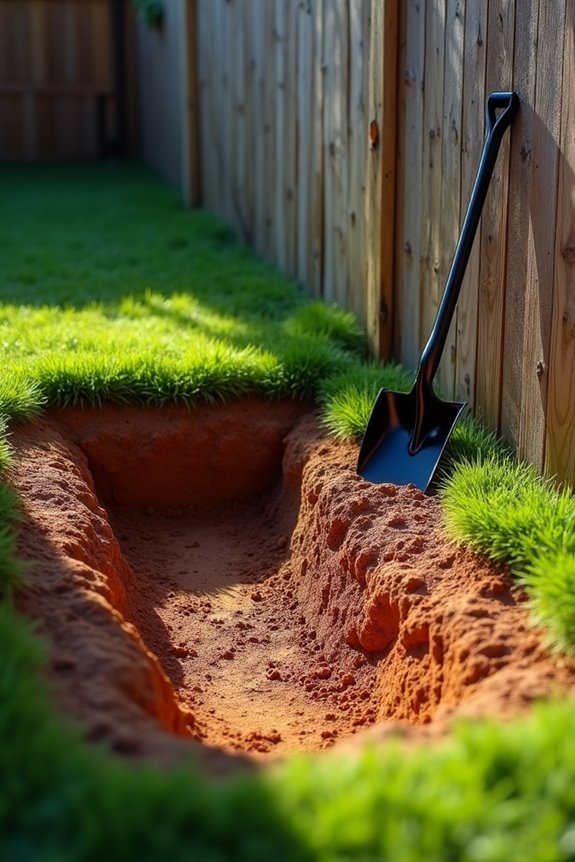
After you’ve prepared your loved one’s body with care and respect, the next step involves the physical work of creating the burial site itself. You’ll need to dig deep. Most burial regulations require graves between three and six feet deep, depending on your location. Check with your county clerk first. They’ll specify exact depth requirements for your area.
Once you’ve dug the grave, keep the sides stable and safe. You’ll lower the casket or container slowly and carefully. Have helpers present for this task. Document everything you do. Take photos of the completed grave.
Mark the site clearly with a headstone or permanent marker. This prevents accidental disturbance. Consider fencing the burial area. A small fence creates a defined space that shows respect and protects the grave from damage.
Install a Memorial and Maintain the Gravesite Long-Term
What will help your family find and visit this special place for decades to come?
Installing a lasting memorial creates a meaningful space for your home burial site. Work with a memorial provider like Rome Monument to create a personalized marker that reflects your loved one’s memory. Choose durable materials. Stone and metal withstand weather and time effectively.
Consider these essentials for long-term memorialization:
- Install clear signage and fencing to protect the gravesite from accidental disturbance
- Document all permits and permissions for future property owners’ understanding
- Establish maintenance plans ensuring accessibility for family visits throughout the years
Your home burial requires ongoing compliance with local zoning laws. Property ownership changes complicate matters. Keep detailed records. Update new owners about the burial site’s location and significance. This protects both your family’s connection and the gravesite’s integrity for generations ahead.