

Your trellis can technically be taller than a fence, but it depends on local classification.
If your council treats it as a temporary plant support rather than a permanent structure, you might avoid strict height limits.
However, combined fence-and-trellis structures often count as one unit, subject to the standard 2-metre rear garden rule.
Front-facing properties, roads, and footpaths have stricter thresholds.
Your local authority’s specific guidelines determine what’s permitted in your area.
Can a Trellis Really Be Taller Than a Fence?
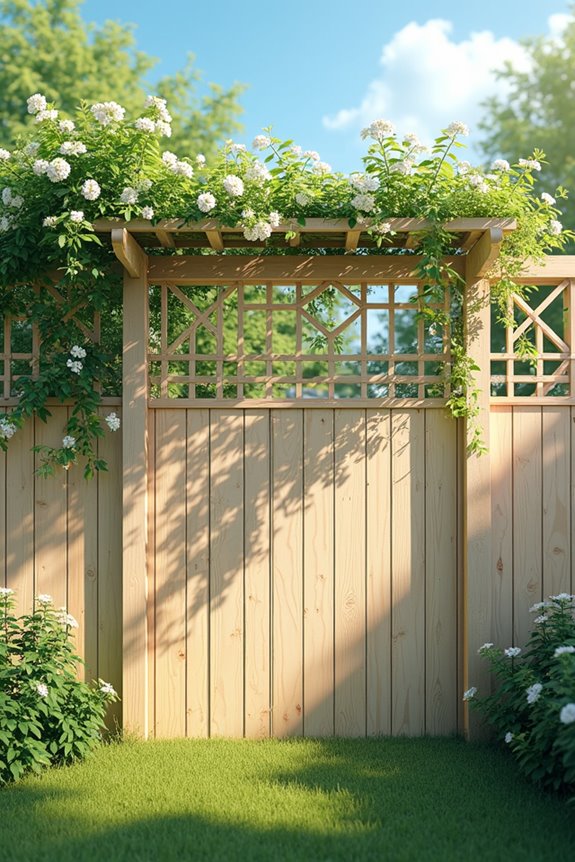
Yes, you can technically make a trellis taller than your fence. The key lies in how your local authority classifies the structure. If they categorize your trellis as a temporary plant support rather than a fence extension, you might gain extra height allowance.
Standard fences up to 2 metres typically avoid planning permission requirements. However, adding a trellis on top changes things. Your local planning authority determines whether they’ll treat the combined structure as a garden wall, temporary structure, or extended fence.
This classification directly affects your height limits. Stricter areas near listed buildings or roads may restrict trellises over 1 metre regardless. Before installing anything, contact your local planning authority. They’ll clarify exactly what you can build and how tall you can go without needing planning permission approval.
The 2-Metre Height Rule: What It Covers and What It Doesn’t
You’ve probably heard the 2-metre (6.5 ft) rule thrown around. It’s the standard that lets you build a back-garden fence without planning permission in most UK areas. But here’s where it gets complicated: this rule doesn’t apply everywhere, and it definitely doesn’t cover everything you might want to build.
Understanding The 2-Metre Limit
What exactly does the 2-metre height rule cover in the UK? The rule applies primarily to rear garden fences under permitted development rights. You won’t need planning permission for rear fences staying at or below 2 metres. Front-facing fences follow stricter rules though.
| Location | Height Limit | Planning Permission Needed? |
|---|---|---|
| Rear garden | 2 metres | No (usually) |
| Front-facing | 1 metre | Yes (if exceeded) |
| Near public rights of way | Lower thresholds | Possibly |
The important detail: trellis attached to your fence counts as part of the fence itself. So adding trellis on top pushes you toward that 2-metre limit quickly. Near roads or footpaths? You’ll likely need planning permission regardless of height. Check with your local authority since rules vary by area. Understanding these boundaries keeps you compliant and prevents complications later.
Exceptions To Height Rules
While the 2-metre rear garden rule sounds straightforward, plenty of situations don’t follow it. You might need planning permission even if your fence stays under 2 metres. This happens near roads, footpaths, or public rights of way. Scotland has stricter rules. Fences over 1 metre facing roads require permission there. Your local council can also impose different height restrictions. Front boundaries typically max out at 1 metre across the UK. Building Regulations add another layer of requirements. They vary by authority. Some councils allow more. Others allow less. Location matters substantially. Near highways? You’ll likely need planning permission regardless of height. Check with your local authority first. They’ll clarify what applies to your specific property.
Why Your Trellis Might Count as a Fence (Or Might Not)
The classification of your trellis by your local authority determines whether it counts as a fence and affects your project requirements.
- Fence classification – Your trellis atop a fence may count as one structure. This keeps your overall height within the standard 2-metre limit.
- Garden wall status – If authorities deem it permanent, the 2-metre height rule applies regardless. Your added trellis won’t extend the allowance.
- Temporary structure exception – Plant support trellises sometimes receive different treatment. You might avoid planning permission requirements.
- Restricted area rules – Near listed buildings or public paths, anything over 1 metre typically needs planning permission.
Contact your local authority directly. They’ll clarify exactly how they’ll classify your specific project and what permissions you’ll need.
Stricter Rules for Roads, Footpaths, and Historic Properties
If you’re building near a road, footpath, or historic property, you’ll face stricter rules that can considerably limit your trellis height. Listed buildings and Areas of Outstanding Natural Beauty require special approval processes. Highway authorities and local councils often impose additional restrictions because these locations affect public safety and visual character.
Listed Buildings And Restrictions
Because you’re installing a trellis near a listed building, on a historic property, or along a protected road or footpath, you’re dealing with stricter height rules than standard residential areas.
Listed buildings and historic properties demand extra care. You’ll need planning permission for most trellis projects here. Standard fence rules don’t apply anymore.
Consider these key restrictions:
- Height limits often drop to 1 metre or less near listed structures
- Material choices may require approval from heritage conservation officers
- Design style must complement the historic property’s character
- Planning permission applications take longer in these areas
Contact your local council before purchasing materials. They’ll clarify exact requirements for your specific location. Historic preservation matters. Getting approval upfront prevents costly removals later. Many communities appreciate homeowners respecting these guidelines.
Highway And Footpath Considerations
What happens when your garden borders a road or public footpath? You’ll face stricter rules. Local councils impose tougher height restrictions in these areas. Planning permission becomes required for structures over 1 metre high. This protects sightlines and public safety.
| Location Type | Height Limit | Planning Permission | Key Reason |
|---|---|---|---|
| Road-facing garden | Often under 1m | Required if over 1m | Traffic safety |
| Public footpath | Varies by council | Usually required | Pedestrian access |
| General garden | 2 metres | Not needed under 2m | Standard regulation |
| Historic areas | Stricter limits | Often mandatory | Heritage protection |
Check your local planning portal before building anything. Regulations differ significantly between councils. You’ll want neighbour consultation too, especially regarding sightlines. These considerations protect everyone’s interests while maintaining community safety standards.
Outstanding Natural Beauty Areas
Does your garden sit within an Area of Outstanding Natural Beauty?
You’ll face stricter planning permission rules here. These areas protect scenic landscapes and historic properties. Your trellis needs extra consideration if it’s near roads or footpaths.
Here’s what you should know:
- Structures over 1 metre high typically require planning permission near public rights of way
- Local councils impose additional restrictions specific to your AONB location
- Non-permanent trellises still trigger scrutiny due to proximity to historic assets
- Neighbour consultation influences decisions and conservation compliance
Check your council’s planning portal first. They’ll provide area-specific guidance tailored to your location. Even temporary structures can face stricter review here. Getting ahead saves frustration later. Your neighbours’ views matter too. Consulting them demonstrates respect for conservation objectives everyone shares in these special areas.
Height Tricks That Stay Within the Law
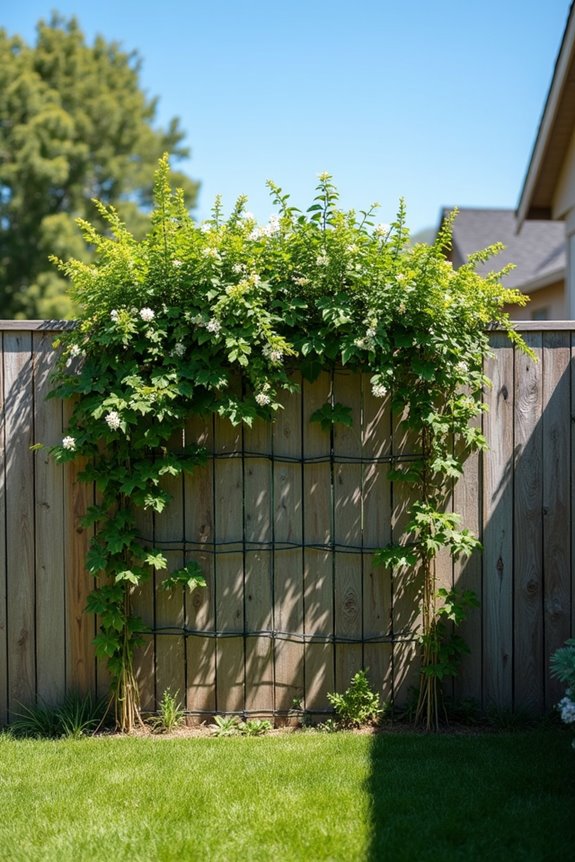
How high can you actually go? You’ve got legal options that work. Many homeowners use trellis strategically to maximize height without needing planning permission.
Here’s the smart approach: keep your fence at 2 metres. Then add trellis on top as a plant-support structure rather than a permanent build. This classification matters significantly. Authorities often treat climbing plant supports differently than solid walls. The key distinction is function—trellises support vegetation, not block views entirely.
Check your local council’s specific rules first. Some areas allow this combined approach without formal planning permission. Others don’t. You’ll find detailed guidance on the Planning Portal.
Document your trellis purpose clearly. Write down that it’s temporary and plant-focused. This protects you legally and demonstrates good-faith compliance with regulations.
What Happens If You Build Without Permission
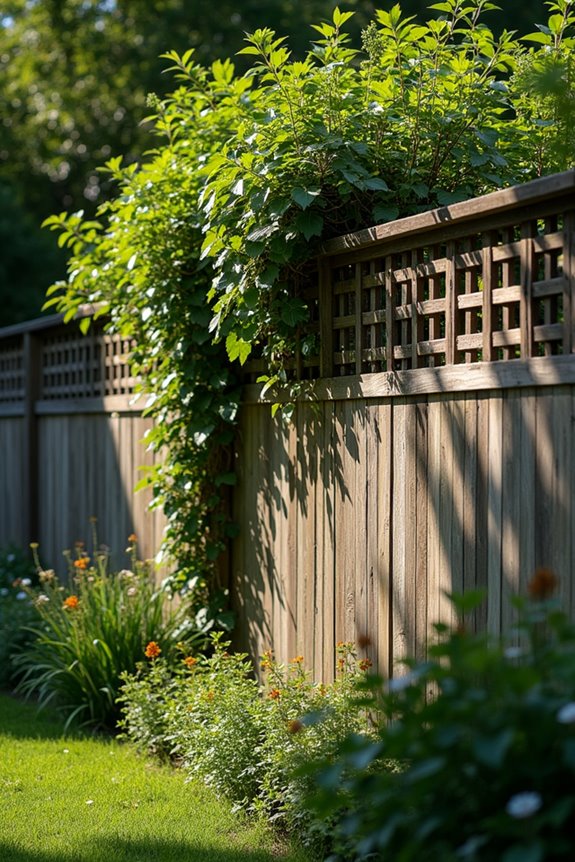
Skip the planning permission process, and you’re inviting trouble from your local authority. You’ll face real consequences that can cost time and money.
Here’s what happens when you build without permission:
- Enforcement notices arrive requiring you to remove or modify your trellis immediately
- Formal investigations begin with inspections and documentation of your unpermitted structure
- Fines and legal action follow if you ignore official orders
- Neighbour complaints accelerate enforcement actions and complicate your situation
Your local planning authority can investigate for approximately four years. After this period, enforcement becomes harder—but not impossible. Exceeding height limits triggers the same penalties as building entirely without permission.
You’ll need to revert your trellis to compliant dimensions. The stress of dealing with authorities? Completely avoidable. Getting permission upfront takes effort. Facing removal orders takes far more.
Finding Your Council’s Trellis Height Limits Online
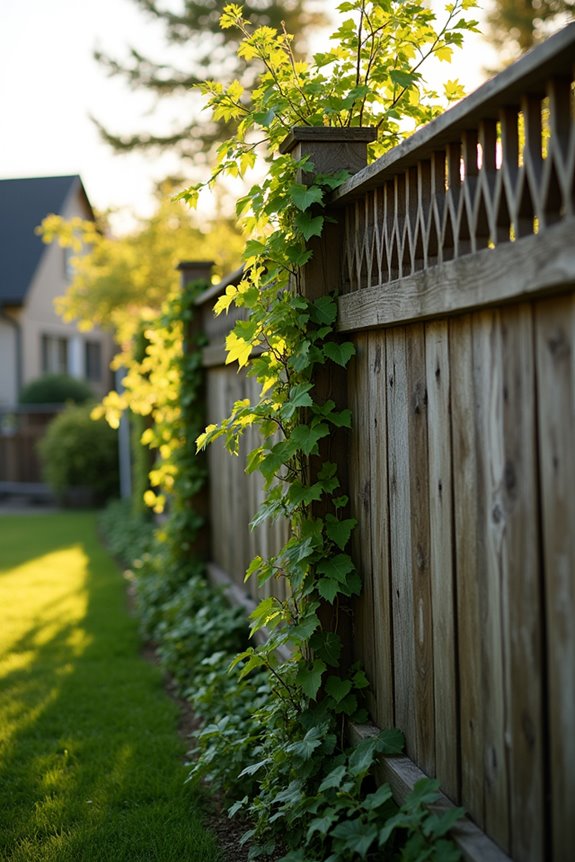
Your local council’s website holds the answers you’re looking for. Visit your local planning portal and search for “fence height” or “garden wall” guidelines specific to your address. These online resources show exact trellis regulations for your area.
Different councils set different rules. Some permit fences up to 2 metres without planning permission. Adding trellis on top changes things. The structure might need reclassification. Roads and public rights of way have special restrictions too.
Before you start building, confirm the classification with your local authority. Is it a fence, garden wall, or temporary structure? Each category has different height allowances. Don’t skip this step. Getting clarification now prevents costly mistakes later. Your council’s planning portal gives you everything needed for compliance.
Talking to Your Neighbours Before You Build
Once you’ve confirmed your council’s height regulations, it’s time to think beyond paperwork. Your neighbours matter too. Even when you don’t need planning permission, talking with them prevents future headaches.
Once you’ve confirmed regulations, reach out to neighbours. Even without planning permission, early communication prevents future conflicts.
Here’s why you should reach out:
- Address concerns about light and views before construction starts
- Clarify boundary rights and prevent misunderstandings
- Align expectations about privacy and aesthetics together
- Document agreements in writing for future reference
Early notification supports smoother processes. You’ll reduce objection risks significantly. Open discussion builds community trust and shows respect for shared spaces.
Chat with neighbours about your trellis plans. Explain your vision clearly. Listen to their concerns. Small compromises now prevent expensive disputes later. This approach transforms potential conflict into collaborative problem-solving.
Your Next Step: Get the Green Light Locally
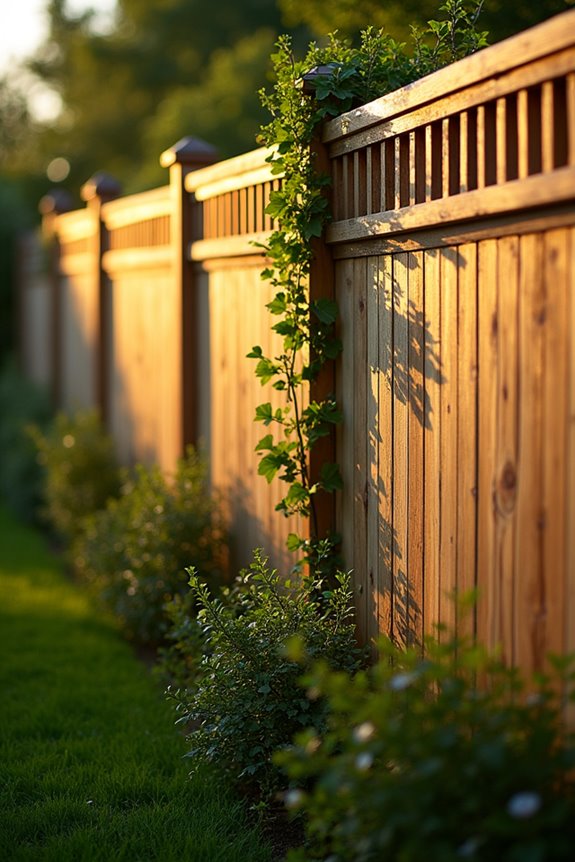
How do you know if your trellis needs official approval? Check your local council’s planning portal. Most UK areas allow fences up to 2 metres at the back and 1 metre at the front without planning permission. However, adding trellis on top changes things. Trellis gets counted as part of the fence height. This means your total structure might need planning permission.
Special areas require extra care. Roadsides, listed buildings, and areas of outstanding natural beauty often need permission for trellis over 1 metre high. Contact your council directly. They’ll clarify your specific situation. Getting the green light locally prevents costly mistakes later. A quick conversation now avoids problems down the road. You’re building community trust while following the rules.