
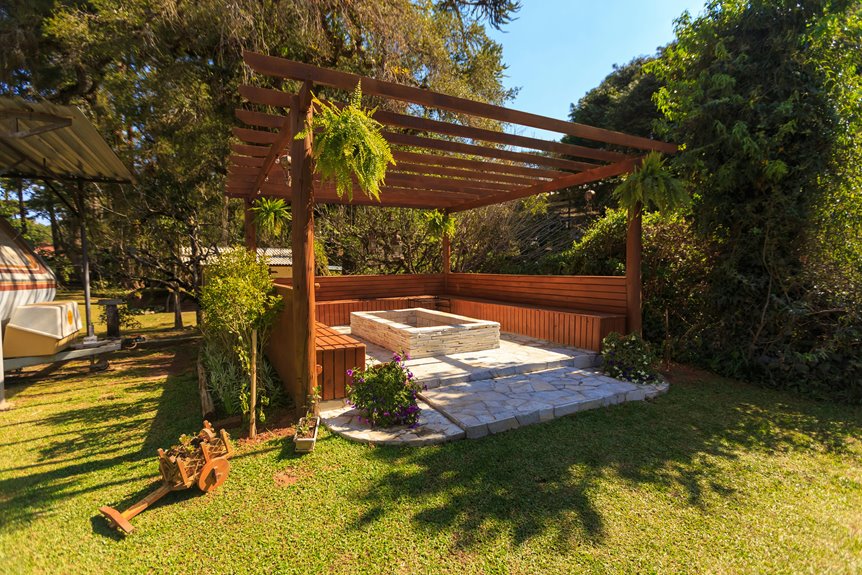
Pergolas feature open slatted roofs for partial shade and ventilation, while gazebos offer solid, fixed roofs for complete weather protection. You’ll appreciate pergolas’ adjustable louvers that control sunlight and temperature in real time. Gazebos provide year-round shelter but sacrifice breezes for total protection.
Pergolas attach to homes seamlessly and cost less to install. Gazebos stand alone and require concrete foundations. Aluminum louvered pergolas deliver superior durability and ROI. Each serves different needs—entertaining versus sanctuary—and understanding your priorities reveals which structure works best for your outdoor space.
Roof Design: The Defining Difference Between Pergolas and Gazebos
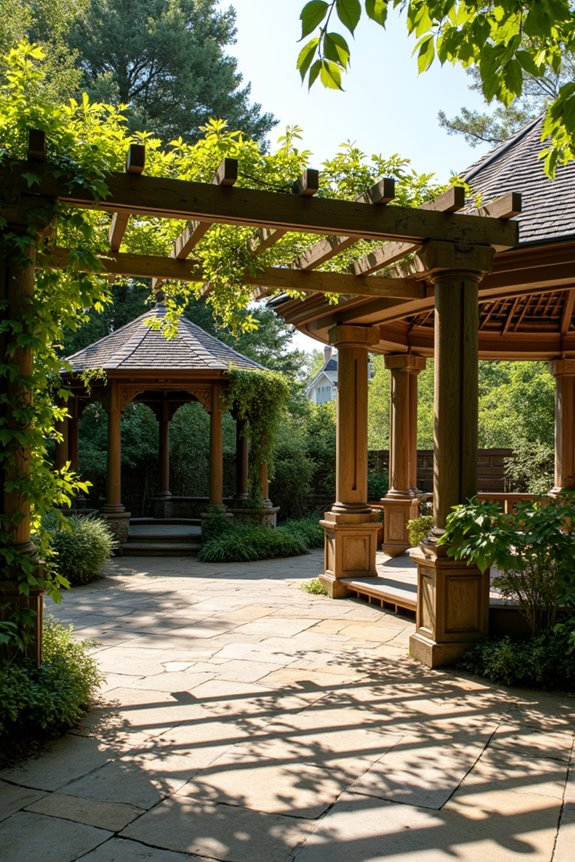
What’s the first thing you notice when you compare a pergola to a gazebo? It’s the roof. A pergola features a slatted roof with open slats that let sunlight filter through while providing partial shade. You’ll enjoy ventilation and that airy, open-air feeling. A gazebo offers something different entirely. Its solid roof delivers complete weather protection. Rain, snow, and harsh sun won’t bother you inside an enclosed space.
The differences run deeper than appearance. Pergola roofs stay fixed or adjustable through retractable louvers, letting you control shade levels. Gazebo roofs are typically fixed and designed specifically to shed water and snow effectively. Pergolas suit minimalist designs, while gazebos feature polygonal shapes resembling miniature houses.
Your choice depends on what you need. Want ventilation and flexible sunlight? Choose a pergola. Need year-round shelter and strong weather resistance? A gazebo’s your answer.
Shade and Sun Protection: Pergola vs. Gazebo Coverage Options
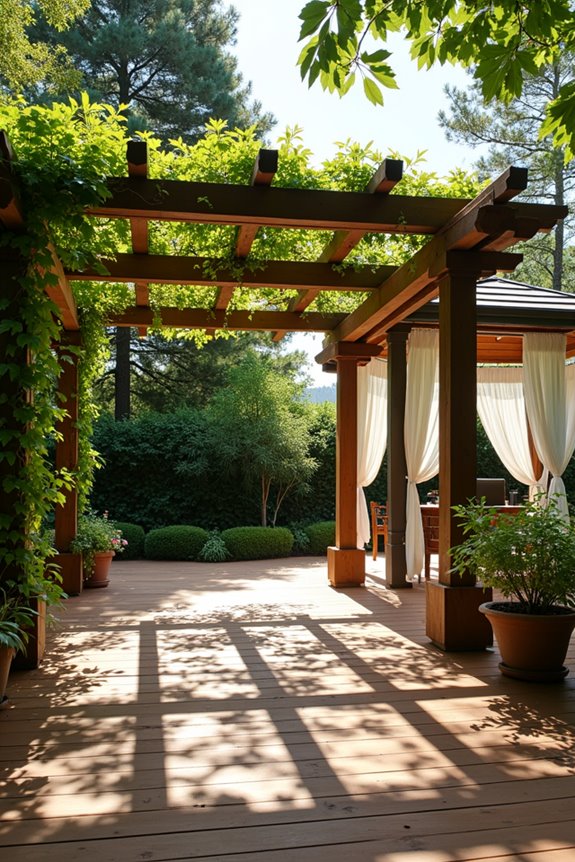
When you’re choosing between a pergola and a gazebo, shade options matter most. You’ll find that pergolas give you adjustable coverage—traditional ones create dappled light through gaps, while louvered models let you control sunlight by opening or closing the slats. Gazebos, on the other hand, deliver fixed, complete shade and weather protection without any adjustment needed.
Fixed Shade vs. Adjustable Coverage
How much control do you want over your outdoor shade?
You’ll find two distinct philosophies here. Pergolas give you adjustable coverage through louvers or slats. You control sunlight exposure by opening or closing them. Gazebos provide fixed shade from solid roofs. They deliver consistent protection year-round.
| Feature | Pergola | Gazebo |
|---|---|---|
| Shade Control | Adjustable | Fixed |
| Temperature | Up to 20°F cooler when closed | Consistent shelter |
| Weather Protection | Optional with panels | Year-round coverage |
Motorized louvered pergolas offer greater flexibility. Switch between sunlit exposure and rain protection instantly. Add polycarbonate panels or fabric canopies when needed.
Choose pergolas if you want to adjust conditions throughout the day. Pick gazebos when you want permanent, reliable shelter. Both approaches create functional outdoor spaces for your community gatherings. Your preference determines how you’ll use your backyard.
Temperature Control and Cooling
Temperature control matters most during scorching summers and unpredictable weather swings. Different structures handle heat in different ways.
A gazebo with its solid roof keeps you cooler year-round. However, you’re limited to whatever shade level the permanent design offers. An aluminum pergola provides the flexibility you need. You can adjust the louvers to match your comfort needs throughout the day.
Closed louvers on premium aluminum pergolas reduce heat by approximately 20 degrees compared to open configurations. This matters when you’re spending time outdoors. You control your shade and temperature in real time.
For harsh climates, aluminum pergolas handle winds exceeding 200 mph and snow loads up to 65 psf. This durability means your temperature control remains reliable year after year. You get both comfort and protection.
Weather Protection and Flexibility
Which structure actually keeps you protected from the elements?
Pergolas and gazebos handle weather differently. Here’s what you’re working with:
- Pergolas offer partial shade through slatted or louvered designs you can adjust for sun control
- Louvered pergolas achieve up to 20 degrees cooler temperatures when closed and become fully rainproof with solid panels
- Gazebos deliver complete weather protection with fully enclosed roofs and solid coverage
- Weatherproofing options like polycarbonate panels and fabric canopies enhance pergola rain protection significantly
- Premium aluminum pergolas support integrated utilities like fans and heaters for year-round use
You’ll sacrifice breeze airflow with gazebos for total shelter. Pergolas give you flexibility. They’re designed for weatherproofing upgrades that gazebos typically can’t accommodate. Need rain protection? Add panels. Want airflow? Open those louvers. You’re choosing between complete coverage or customizable shade options.
Shape and Footprint: How Each Structure Fits Your Space
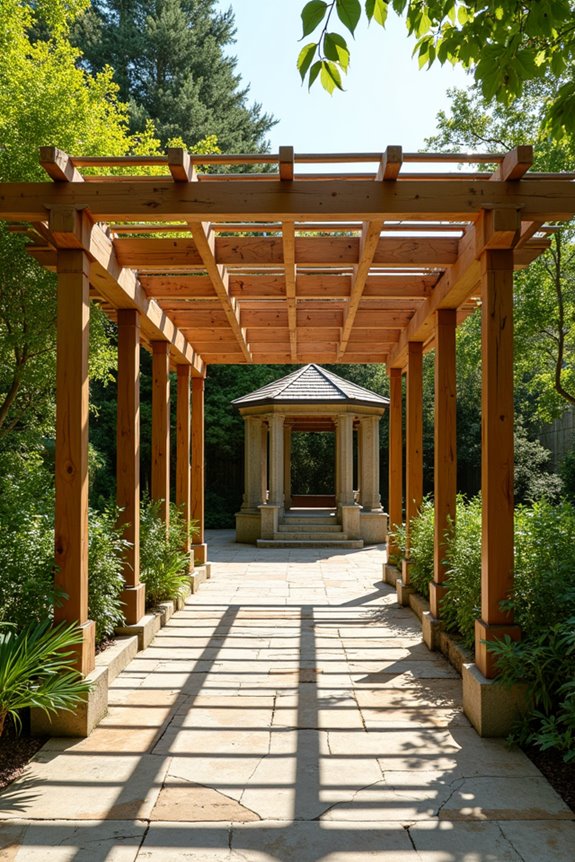
When you’re planning your outdoor space, shape and footprint matter. Pergolas typically fit rectangular or square layouts that align with existing decks, patios, or home architecture, while gazebos require dedicated garden spots with their distinctive octagonal, hexagonal, or circular designs. Understanding how each structure occupies your yard helps you choose what works with your home’s layout and your family’s outdoor activities.
Footprint and Space Requirements
Shape and footprint matter more than you’d think. Your space requirements differ dramatically between these structures. Understanding this helps you choose wisely.
Pergolas offer flexible footprint options. You can attach them directly to your home. This reduces your overall yard footprint considerably. They work well in tight spaces. Standalone pergolas also work when you need them.
Gazebos demand dedicated freestanding space. They require their own foundation. Here’s what separates them:
- Pergolas: attached or standalone rectangular structures
- Gazebos: polygonal or square freestanding designs
- Pergolas: seamless home integration possible
- Gazebos: clear, independent ground area needed
- Compact versions: available for both types
Pergolas maximize small yards effectively. Gazebos need breathing room. Consider your available space honestly. Measure twice. Choose once. Your yard’s layout determines which footprint comparison matters most for your situation.
Integration With Your Home
Now that you’ve considered your yard’s overall space, it’s time to think about how either structure actually connects to your home.
Pergolas offer direct attachment to your house. This creates outdoor living that flows from indoors to outside. You’ll enjoy easier access from your kitchen or bedroom to your shaded retreat.
Gazebos remain freestanding structures. They sit independently on their own foundation, away from your home. This separation means less home connection but more placement flexibility.
Your attachment choice matters significantly. Pergolas strengthen your home integration through their wall-mounted design. Gazebos require their own footprint and planning space. Consider which integration style matches your lifestyle and outdoor vision better.
Which Is Right for Your Situation: Pergolas for Entertaining, Gazebos for Sanctuary
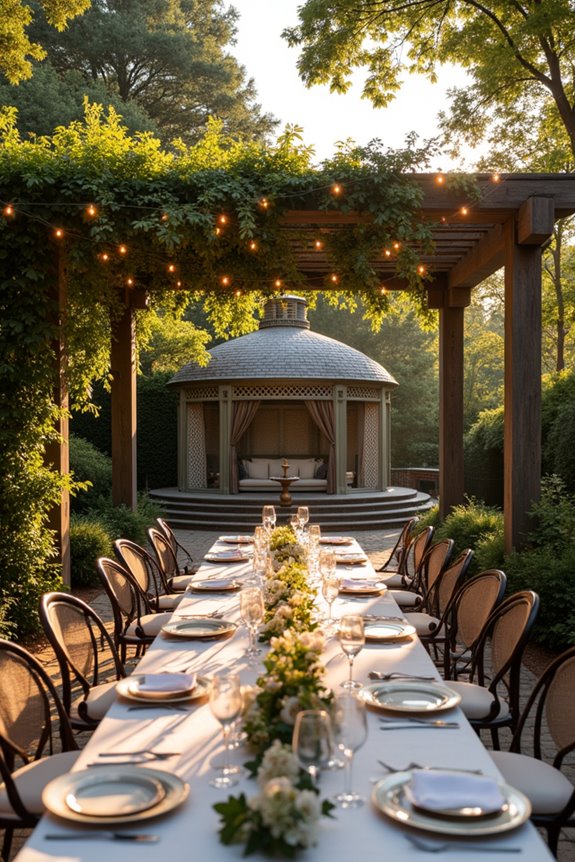
Are you torn between these two popular backyard structures? Your choice depends on how you’ll use your outdoor space.
Pergolas excel for entertaining:
- Open sightlines keep guests connected to surroundings
- Adjustable louvers control shade without blocking views
- Modern aesthetic suits al fresco dining
- Flexible footprint attaches to homes or stands alone
- Garden styling enhances natural light exposure
Gazebos create true shelter:
- Solid roofs provide complete weather protection year-round
- Enclosed sides shield you from rain and snow
- Victorian charm evokes traditional garden aesthetics
- Standalone foundation works anywhere on your property
- Weatherproof design handles harsh climates reliably
Choose pergolas when you prioritize entertainment and want your guests mingling freely. Select gazebos when you need a dedicated retreat space. Premium aluminum louvered pergolas withstand extreme conditions like 200+ mph winds. Yet gazebos remain superior for all-weather protection without compromise.
Installation and Integration: Attached vs. Standalone
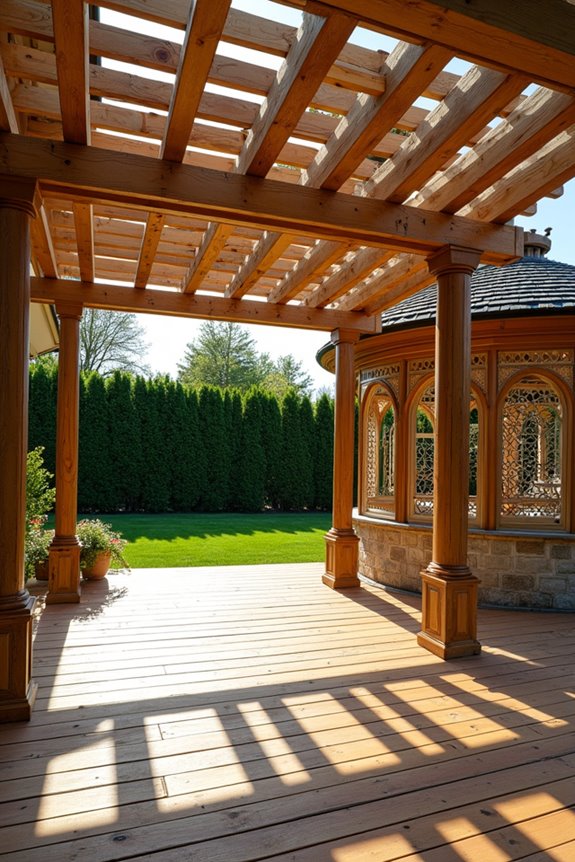
Where you place your structure matters more than you’d think. Your choice between attached and standalone shapes everything about installation.
Pergolas attach directly to your house. This connection saves space and simplifies electrical work for lighting and fans. You’ll need existing structural support. Standalone pergolas offer flexibility without home modifications.
Gazebos require their own foundation. They’re completely independent structures. You position them anywhere on your property. This independence comes with more preparation work.
| Feature | Pergola | Gazebo |
|---|---|---|
| Attachment | House or standalone | Standalone only |
| Foundation | Optional | Required |
| Installation | Faster if attached | More involved |
| Integration | Connected to home | Independent placement |
Integration differs significantly. Attached pergolas connect directly to your outdoor living spaces. Standalone structures create separate retreats. Your preference determines which works best for your lifestyle and yard layout.
Cost Comparison: What You’ll Actually Spend
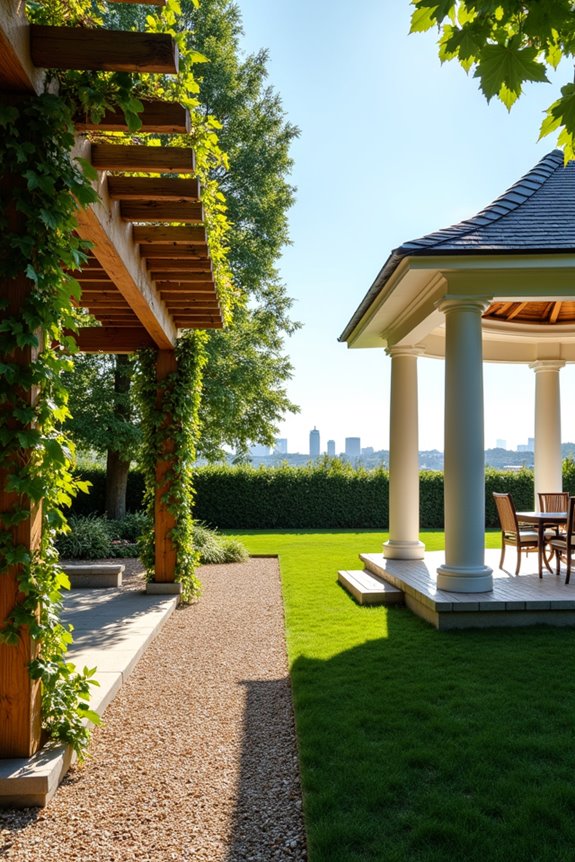
When you’re comparing pergolas and gazebos, the price tag matters most. Your choice of materials, installation demands, and long-term upkeep will determine whether you’re spending $2,000 or $20,000 on your backyard project. Let’s break down what actually goes into these costs.
Material Choice Impact Costs
Just how much difference does material selection make in your final bill? It’s significant. Your choice of wood, aluminum, or vinyl determines everything—from upfront costs to long-term maintenance expenses.
Here’s what you’ll encounter:
- Wood pergolas: $2,000–$8,000 initially but need regular staining and sealing
- Aluminum louvered pergolas: $5,000–$20,000 upfront with minimal maintenance required
- Gazebos: $3,000–$10,000+ plus $1,500–$4,000 for foundation work
- Labor costs: Add considerable expense depending on material complexity
- Maintenance reality: Aluminum wins long-term despite higher initial cost
Wood seems budget-friendly initially. However, you’ll spend years maintaining it. Aluminum costs more upfront. You’ll appreciate the durability later. Foundation requirements for gazebos push costs higher than comparable pergolas. Think beyond the sticker price. Calculate what you’ll actually spend over ten years. Material choice affects your wallet for decades.
Long-Term Maintenance Expenses
How much you’ll actually spend over a decade matters far more than that initial price tag you see today. Wood gazebos demand staining or sealing every 2–3 years, which adds up quickly. You’re looking at consistent upkeep frequency that drains both your wallet and weekends. Aluminum pergolas, meanwhile, offer the lowest maintenance costs long-term. They don’t rot, splinter, or fade like wood does. Your durability investment pays dividends. While premium aluminum pergolas cost $5,000–$20,000 initially, their superior durability means fewer repairs down the road. Wood gazebos require more frequent attention and retrofitting for utilities like lighting or fans becomes expensive later. Calculate lifetime expenses, not just opening costs. Aluminum pergolas typically win the long-term financial race.
Foundation And Installation Labor
What’s hiding beneath the surface? Your foundation costs. Gazebos demand concrete footers and complex installations. Pergolas? They’re simpler creatures.
Here’s what you’re really paying for:
- Gazebos require concrete footers adding $1,500 to $4,000 in labor
- Pergolas skip expensive foundation work entirely
- DIY kits let you handle pergola installation yourself
- Wood gazebos cost $3,000 to $10,000 plus foundation expenses
- Entry-level wooden pergolas run 30–50% cheaper overall
The labor difference matters significantly. Gazebos need professional installation. You’ll hire excavators. You’ll pour concrete. You’ll wait for curing time.
Pergolas offer flexibility. Many arrive as DIY kits. You can install them yourself. Your wallet stays fuller. Premium aluminum louvered pergolas run $5,000 to $20,000. They skip foundation headaches entirely.
Bottom line? Pergolas win on installation simplicity and cost.
Weather Durability: Which Handles Rain, Snow, and Wind Better
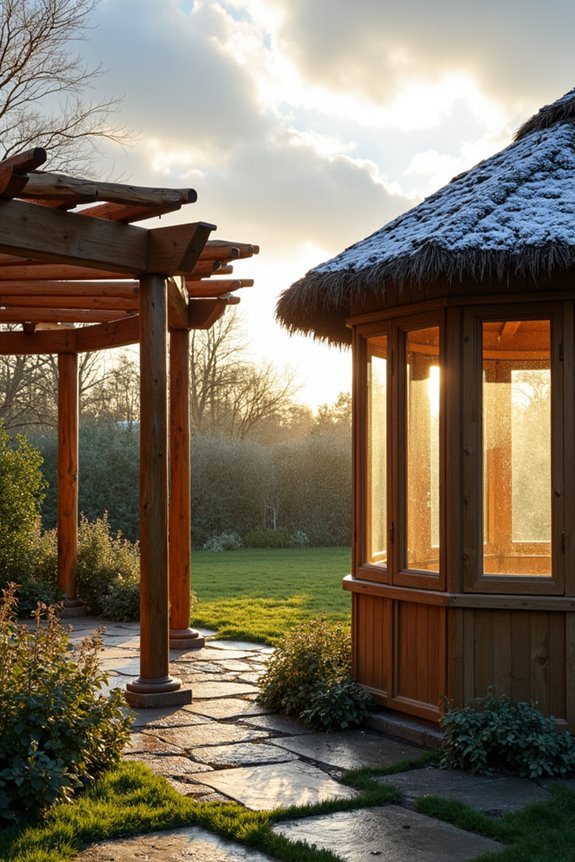
When it comes to protecting your outdoor space from weather challenges, durability matters tremendously. You’ll find significant differences in how pergolas and gazebos handle weather demands.
| Feature | Pergolas | Gazebos |
|---|---|---|
| Wind Durability | 200+ mph capacity | Limited capacity |
| Rain Protection | Closed louvers = solid roof | Partial protection |
| Snow Load | 65 psf supported | Basic tolerance |
Premium aluminum pergolas offer exceptional structural durability. Closed louvers provide full rain protection matching solid roofs. You get year-round use with engineered support for fans and heaters. Traditional gazebos handle rain adequately but lack advanced wind and snow durability. They’re not designed for integrated electrical elements. You can upgrade open pergolas with polycarbonate panels or fabric canopies for enhanced protection. This flexibility makes pergolas superior for serious weather challenges and year-round functionality.
Maintenance Requirements: Long-Term Upkeep and Durability
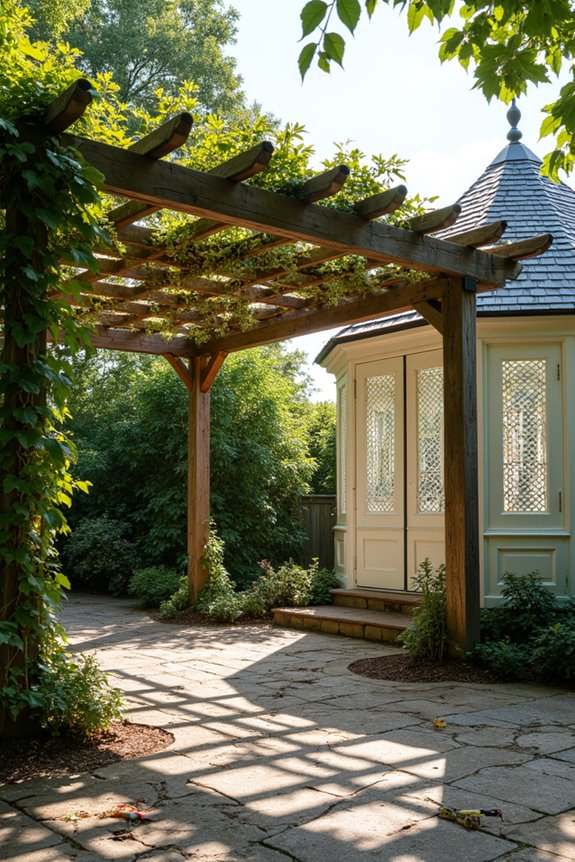
Because you’ll be living with your outdoor structure for years to come, maintenance demands deserve serious consideration. You’ll find aluminum pergolas dramatically outperform other options for long-term costs and durability.
Here’s what separates them:
- Aluminum pergolas need minimal upkeep. No staining or sealing required.
- Wood pergolas demand staining or sealing every 2–3 years to prevent weathering damage.
- Gazebos require ongoing weatherproofing and roof maintenance that adds up quickly.
- Vinyl gazebos still need regular cleaning and occasional repairs despite lower demands than wood.
- Louvered systems resist weathering better. Integrated utilities stay maintenance-friendly longer.
Wood structures frustrate owners with constant upkeep cycles. Aluminum pergolas skip this headache entirely. You’re choosing between weekend projects every few years or enjoying your space without worry. The durability difference shapes your real investment over time.
Modern Upgrades: Why Homeowners Are Choosing Louvered Pergolas
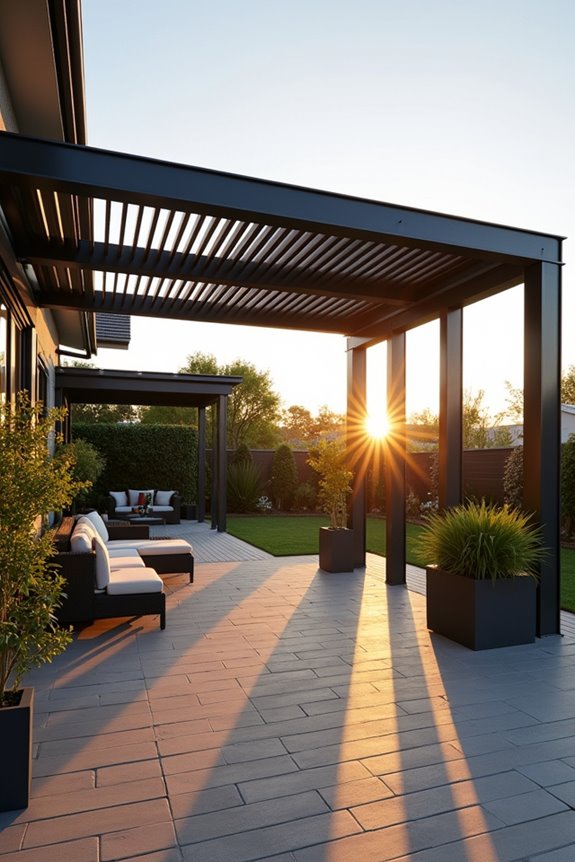
Why settle for a structure that forces you to choose between sun and shelter? Louvered pergolas deliver both. You’ll join homeowners who’ve discovered these modern outdoor living spaces offer what traditional gazebos can’t: complete control. Adjust your aluminum louvers throughout the day. Close them for weather protection and up to 20 degrees cooler temperatures. Open them when you want sunshine. This flexibility makes your backyard a usable retreat in every season. Unlike wooden gazebos requiring constant upkeep, louvered pergolas demand minimal maintenance. Their aluminum construction resists rot, rust, and weathering. Many models withstand 200+ mph winds and heavy snow loads. Add integrated lighting, fans, and heating. You’re not just upgrading your outdoor space—you’re investing in a durable structure that adapts to your lifestyle.
Which Structure Adds More Home Value?
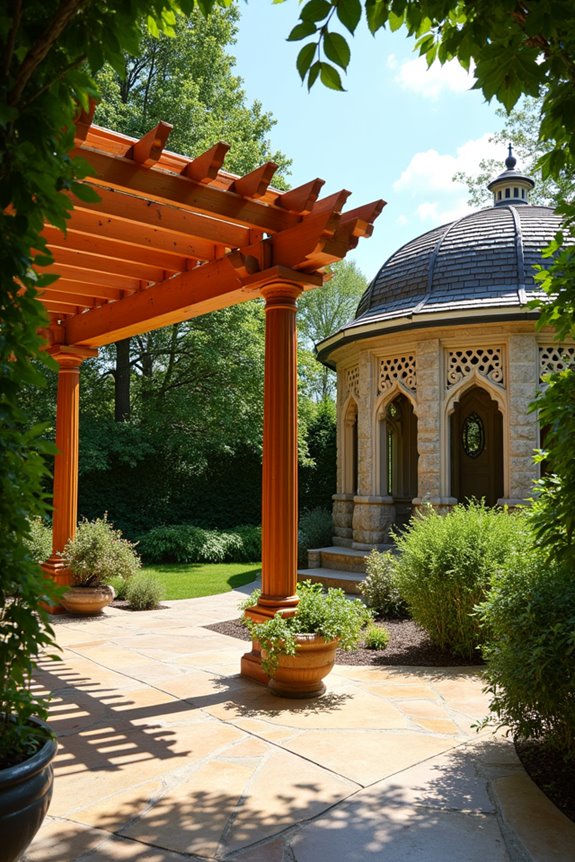
If you’re thinking about ROI—that’s return on investment—a pergola typically wins the resale game. You’ll recover 50-80% of your pergola costs when selling your home. That’s serious money back in your pocket.
Here’s why pergolas outperform gazebos:
- Strong outdoor living appeal attracts today’s buyers
- Architectural integration with your home enhances property aesthetics
- Marketable design sells listings faster
- Louvered aluminum models offer year-round functionality
- Modern designs suit more home styles than gazebos
Gazebos raise home value too. However, they appeal to narrower buyer segments. They’re standalone structures that don’t flow with your home’s design like pergolas do.
A well-designed pergola delivers broader market appeal. You’re creating an extension of your living space. That perceived value matters when buyers walk through your yard.