Backyard breeding legality depends on where you live. Some states like California enforce strict breeder permits and litter limits. Others exempt hobby breeders entirely.
Nevada, Virginia, and Pennsylvania use mixed approaches with specific restrictions. Your local county or city may have additional rules that override state law.
Check with your local animal control office for exact regulations in your area. Understanding these distinctions helps you identify which operations follow proper standards—and which ones don’t.
What Counts as Backyard Breeding: and Why It Matters?

So what exactly makes a breeder a “backyard breeder”? These operators lack proper licensing and breeding regulations that legitimate breeders follow. You’ll find they prioritize profit over animal welfare. Backyard breeders often skip genetic screening. They sell puppies too young without adequate vaccinations. This unethical breeding contributes to overpopulation in shelters nationwide.
Why does this matter? When you purchase from unethical breeding operations, you’re supporting practices that harm animals. Puppies carry hidden genetic defects and diseases. You’re funding systems that enable puppy mills and criminal networks.
Distinguishing backyard breeders from responsible ones proves challenging. Most lack transparency about health records. They operate without oversight. Understanding these distinctions helps you make informed decisions and protect animal welfare in your community.
How Do Breeding Laws Differ by State and Local Jurisdiction?
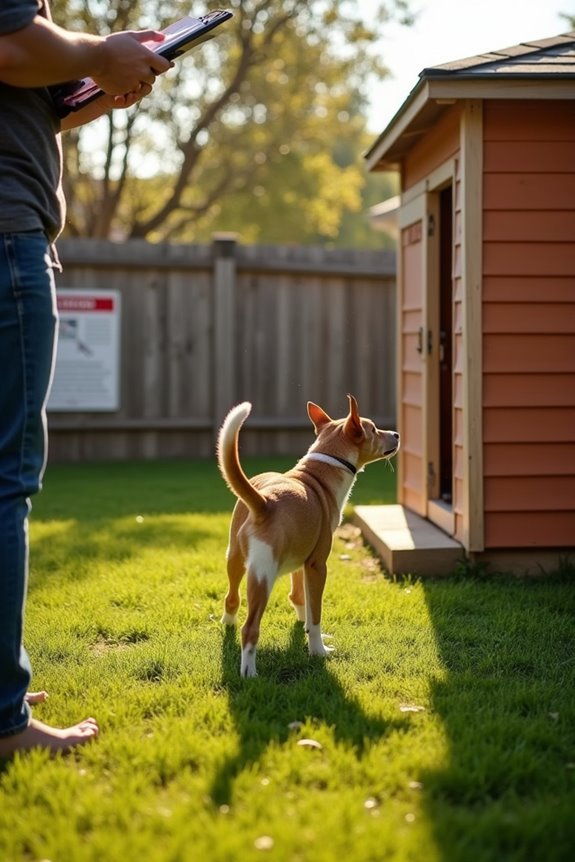
Where you live determines what breeding rules apply to you. Your state regulations and local ordinances shape what’s legal regarding backyard breeding. Some states like California impose strict breeder licenses and microchipping requirements through laws like AB 2425. Other states exempt hobby breeders entirely. Nevada, Virginia, and Pennsylvania take mixed approaches. They allow personal kennels but limit litter numbers or intact dogs.
The federal Animal Welfare Act covers research animals and large-scale operations. Smaller backyard breeders often slip outside this oversight. Local enforcement varies dramatically. Your county or city likely has its own rules about breeding. Check your specific jurisdiction’s requirements. Many areas lack consistent enforcement due to limited resources. Understanding these breeding laws protects you legally and keeps animal welfare standards consistent in your community.
Red Flags of Illegal Breeding Operations
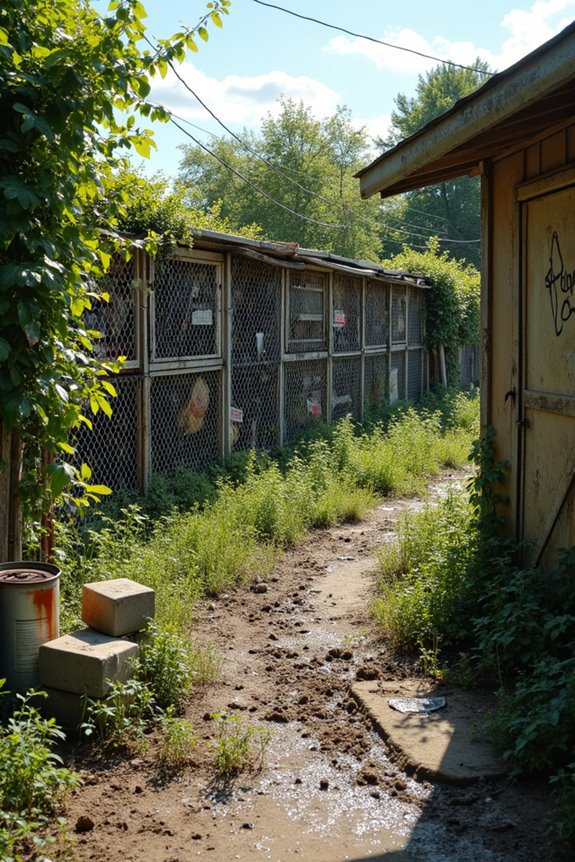
How can you spot an illegal breeding operation before you buy a puppy?
Unlicensed backyard breeders display obvious red flags. They’re selling multiple purebreds or designer breeds simultaneously. They won’t let you visit their breeding premises. They ask you almost no questions about your home or lifestyle. They offer no health guarantees or contracts whatsoever.
| Red Flag | What It Means |
|---|---|
| Puppies under six weeks old | Inadequate welfare and early separation |
| Reluctance to show breeding space | Hidden poor conditions and unlicensed operation |
| No screening of buyers | Lack of accountability for puppy placement |
| Multiple litters available | Profit-driven, not health-focused breeding |
| Early health problems | Neglected veterinary care and congenital issues |
Underage puppies indicate negligent welfare practices. Early health issues—parasites, congenital defects—signal inadequate veterinary care. Puppies abandoned at shelters prove irresponsible breeding. Pay attention to warning signs. Responsible breeders welcome questions and scrutiny.
The Real Damage: Genetic Defects, Disease, and Shelter Overcrowding
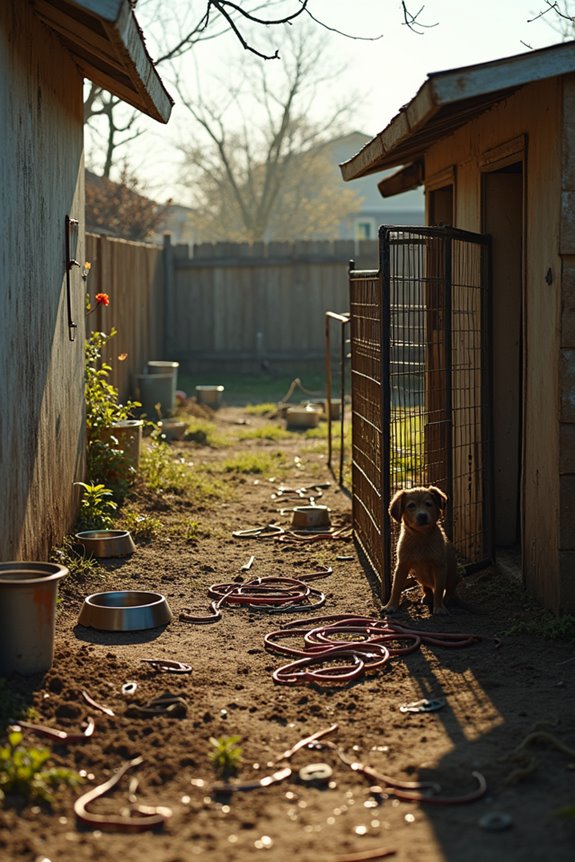
Spotting red flags helps you avoid bad breeders. When you purchase from backyard breeders, you’re supporting practices that cause real harm. These operations don’t screen for genetic defects. Puppies develop serious health problems early in life. You’ll face expensive veterinary bills and heartbreak.
Disease spreads rapidly in unregulated breeding environments. Poor vaccination and deworming practices create public health risks. Parasites and infections jump to your home and community.
Shelter overcrowding directly results from irresponsible breeding. Unwanted litters flood animal facilities faster than adoptions occur. Euthanasia rates climb when shelters reach capacity. Many communities now enforce stricter licensing to combat this crisis.
Licensing enforcement protects animal welfare and community health. Supporting responsible breeders—or adoption—keeps shelters manageable and saves lives.
How to Report Suspected Illegal Breeding
Suspecting illegal breeding in your neighborhood? Take action through proper channels.
Contact LA County’s DACC tipline established in November 2024. Report anonymously via the Stop Illegal Breeding portal, email, or call (661) 261-0111. Animal control needs specifics to investigate.
| What to Report | How to Gather It | Why It Matters |
|---|---|---|
| Exact location | GPS coordinates or address | Enables precise investigation |
| Dog descriptions | Count, breed, condition details | Identifies licensing violations |
| Advertisement evidence | Screenshots of online posts | Proves illegal breeding activity |
Provide photographs of ads. Document observed conditions at the site. Note whether the breeder has proper licensing for four-plus dogs (profit-oriented) or operates as unlicensed backyard breeders.
Avoid approaching neighbors directly. Official investigation ensures accountability. Consider media exposure—public pressure motivates enforcement action and protects community dogs from genetic defects and disease spread.
Why Adoption and Spaying Cut Demand for Backyard Breeders
You’ve got real power here. When you adopt from shelters or rescues instead of buying puppies, you’re directly shrinking the market that backyard breeders depend on—and you’re helping reduce the roughly 920,000 shelter animals euthanized yearly because there aren’t enough homes. Spaying and neutering work like a pressure valve on the whole system: they stop unwanted litters before they happen, which means fewer dogs end up in shelters and fewer people feel desperate enough to turn to backyard breeders just to find an affordable puppy.
Reducing Demand Through Adoption
How’d we end up with so many unwanted animals in shelters? Backyard breeding floods the market. You can change this reality through adoption.
When you adopt instead of buy from breeders, you shift demand away from illegal operations. Consider these powerful actions:
- Choosing shelter pets diverts money from backyard breeders toward responsible rescue organizations
- Spaying and neutering prevent litters that fuel overpopulation and shelter overcrowding
- Supporting pet adoption regulations protects public safety and animal welfare standards
Only 15 percent of pet owners currently adopt from shelters. That gap represents opportunity. Your adoption decision directly reduces backyard breeding demand. Shelters overflow with animals partly because breeders flood markets with puppies. When you adopt, you’re not just gaining a companion. You’re actively fighting the cycle that harms animals and destabilizes communities.
Spaying and Neutering’s Impact
Why does spaying and neutering matter so much in fighting backyard breeding? When you spay or neuter pets, you directly shrink the population of unplanned litters. Fewer puppies and kittens means backyard breeders lose their customer base. You’re cutting off their profit supply.
Here’s how it works: shelters and vets track adoption data. Their numbers show adoption reduces demand for backyard-bred animals. When more people choose shelter adoption over purchasing from breeders, the market weakens. Backyard breeding becomes less profitable.
Sterilization programs create measurable results. Fewer strays and abandoned animals flood shelters. This eases overcrowding and reduces euthanasia rates. You’re addressing animal welfare at its root.
Breaking the Breeding Cycle
Backyard breeders depend on demand. When you choose adoption and spay/neuter services, you’re directly cutting into their profits. You’re breaking the cycle that keeps them in business.
Your choices matter here:
- Adoption reduces litter births. Animal shelters receive fewer puppies. Backyard breeders lose customers seeking “new” dogs.
- Spay/neuter programs lower overproduction. Fewer unaltered dogs means fewer accidental litters fueling illegal breeding operations.
- Public education shifts preferences. When you and your community understand responsible ownership, licensed breeders gain ground over unlicensed ones.
Microchipping and health certificates create accountability. Backyard breeders can’t compete with these standards. You’re helping identify unlicensed operations through these verification systems. Supporting animal shelters, choosing adoption, and spreading awareness about spay/neuter services collectively shrink the market for backyard breeding. That’s real progress.
New Breeding Laws and Enforcement Gaps to Watch
Several states, particularly California, are tightening rules around who can breed dogs and how they do it. AB 702 requires backyard breeders to obtain a breeder permit, impose litter limits, and microchip all puppies. AB 2425 lowers the threshold for what counts as a breeder, expanding regulatory scope significantly. These laws also mandate health certificates and veterinary checks before sales occur.
However, enforcement gaps remain. Small-volume breeders often operate outside state regulation. Local rules vary by county, creating inconsistent coverage. Social media platforms enable unlicensed breeding while authorities struggle to monitor sales. Advocates push for a public breeder directory and increased funding to track compliance and reduce euthanasia linked to irresponsible breeding practices.