

Your fence’s permanence status hinges on local building codes, not your preference. Height, materials, and foundation depth determine classification in your jurisdiction. Concrete footings and durable materials like vinyl or metal signal permanence.
Permanent fences typically require permits and must comply with setback rules. Corner lots face stricter requirements. Even temporary-looking fences must meet building code standards.
Your specific regulations vary considerably by location, so checking local ordinances prevents costly violations and clarifies what applies to your property.
Is Your Fence Considered a Permanent Structure?
What makes a fence permanent? Your fence’s status depends on local rules. Most jurisdictions define permanence through building codes and zoning laws. You’ll need to check your area’s specific requirements.
Your fence height matters. Many places allow shorter fences without a building permit. Taller structures typically require permits and compliance with setbacks from property lines. These setback distances keep fences away from easements and neighbors’ spaces.
Shorter fences often skip permit requirements, while taller structures need permits and must comply with property line setbacks.
Building permit requirements vary by location. Some regions exempt fences under certain heights from permits entirely. However, your fence must still meet all local building code standards regardless.
Your property lines determine responsibility too. Front-yard fences face stricter regulations than rear yards. Understanding these distinctions helps you avoid costly violations and maintains good neighbor relations.
How Fences Are Classified as Structures
How Your Local Government Decides Whether Your Fence Counts as a Permanent Structure
Your local government examines several key factors to determine if your fence qualifies as a permanent structure. Your fence’s height matters significantly. Most zoning codes classify fences above certain heights—often 6 to 10 feet—as permanent structures requiring permits. Ground anchoring determines permanence too. If your fence is anchored deeply into soil, it’s likely permanent. Building codes and subdivision overlays in your area establish specific requirements you must follow. Permit requirements vary widely by location. Some jurisdictions require construction clearance before installation. Others allow work without permits if you meet height and material standards. Your fence’s integration with property lines and driveways also influences its classification. Knowing these local regulations helps you avoid costly violations and keeps your project compliant with zoning requirements.
How Permanence Affects Permits and Setbacks
Whether your fence needs a permit or not, its classification as permanent shapes your entire building process. Your fence’s permanence triggers specific setback requirements that you must follow. In Chicago, solid fences require a 10-foot setback from street frontage with a maximum 30-inch height within that front setback area. Open fences may reach 72 inches in the same zone. These restrictions exist because permanent structures affect property rights and visibility.
Non-permitted work still demands compliance with Chicago Building Codes and Municipal Code requirements. You cannot bypass regulations simply by skipping the permit application. Corner lots present additional challenges—you’ll navigate a 35-foot visibility zone that restricts fence placement. Understanding how permanence affects permits and setbacks prevents costly mistakes. Your fence’s permanent status means you’re responsible for reconstruction if easement access becomes necessary.
How Fence Construction Methods Determine Permanence
Your fence’s permanence doesn’t just depend on what the code says—it depends on how you build it. Durable materials like masonry, vinyl, and metal signal lasting installations to inspectors and local authorities. Fixed foundations—concrete footings, anchored posts, and non-removable components—establish permanence immediately. These construction choices matter because they determine whether officials classify your fence as temporary or permanent.
Building codes require specific installation standards regardless of permit status. You’ll follow these standards anyway, so you’re committing to permanence from day one. Your construction method also affects easements and property boundaries. Permanent fences positioned along these lines create shared maintenance obligations. Choosing sturdy materials and professional installation methods demonstrates you’re building something meant to last. That commitment shapes how your community views your fence legally and practically.
Check Your Local Code Requirements
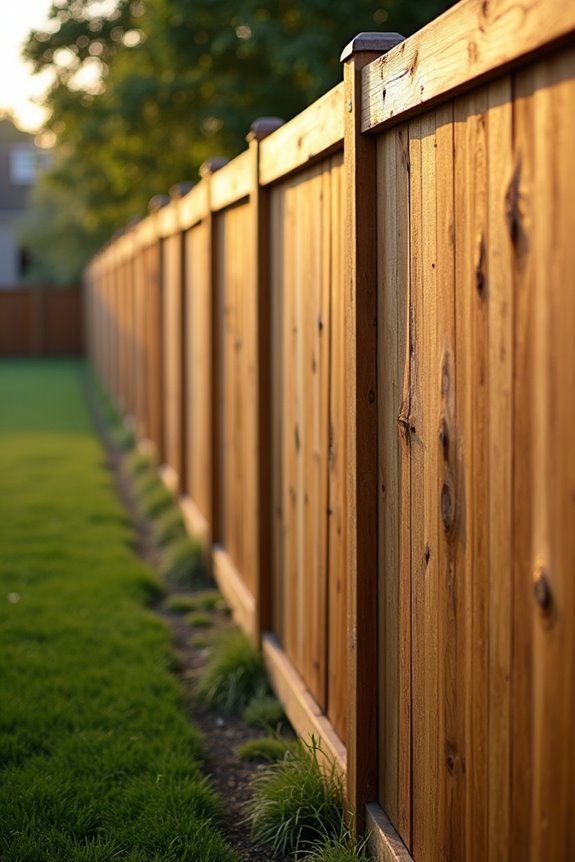
What does your city actually say about fences? You’ll need to check your local code. Your municipality’s zoning and building codes determine whether your fence is a permanent structure. Some cities require permits and inspections. Others allow certain fences without approval if they meet specific height and setback requirements.
Setbacks matter greatly. These rules specify minimum distances from property lines and street frontage. Corner lots often have stricter setback rules than standard properties. Overlay districts add extra restrictions too.
Don’t assume your neighbor’s fence rules apply to you. Each jurisdiction handles permanent structures differently. Pull up your city’s ordinances online or call your planning department. They’ll clarify what approvals you need before building. Getting this right saves time and frustration later.