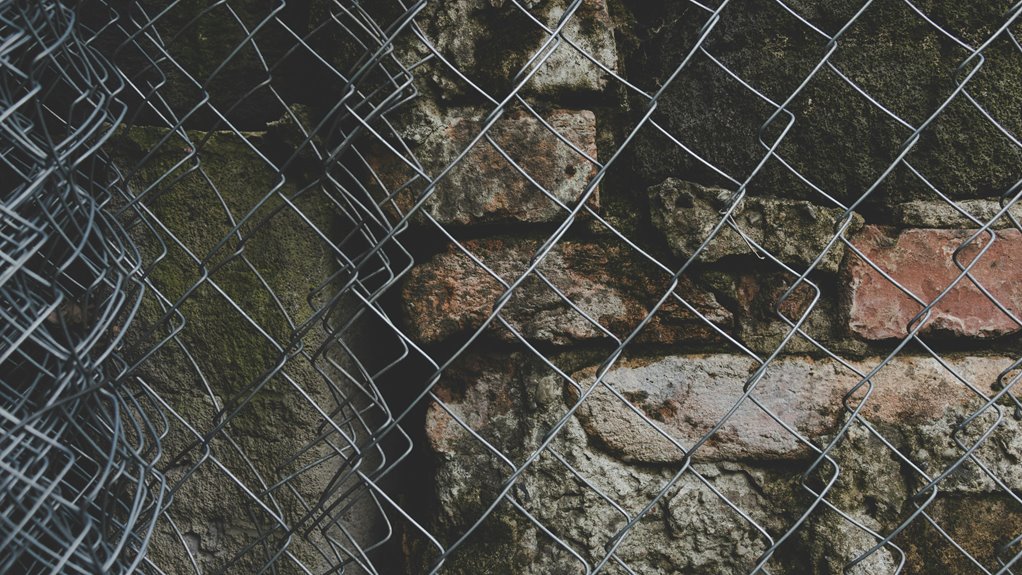
You’ve got five durability champions. Steel fencing lasts 50–75 years with galvanization protecting against rust. Wrought iron pushes 50–100+ years but demands regular maintenance and repainting. Aluminum handles coastal climates well, lasting 40–70 years with minimal upkeep. Vinyl resists fading and freeze-thaw damage for 40–70 years, requiring almost no care. Chain link works 25–35 years, especially vinyl-coated versions in humid areas.
Your climate and maintenance willingness determine which material fits best—and we’ll break down those specifics next.
Steel Fencing: The Gold Standard for Longevity (50–75 Years)
Steel Fencing: The Gold Standard for Longevity (50–75 Years)
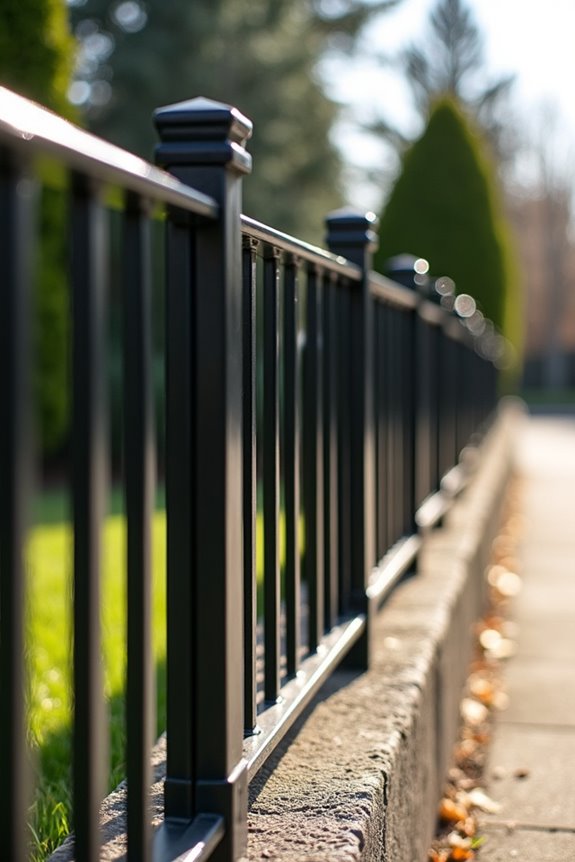
Steel fencing delivers proven durability. You’re looking at a 50–75 year lifespan. That’s multiple generations of protection.
What makes steel fencing effective. Galvanized coatings shield the steel core from rust and corrosion. Powder coating adds another protective layer. Together, they create a barrier against the elements.
Steel’s tensile strength is significant. It resists bending, sagging, and deformation under pressure. Your fence won’t buckle under heavy snow or impact.
You’ll find steel fencing across many applications. Residential yards benefit from its strength. Commercial sites rely on its security features. Agricultural properties depend on its reliability. Even in harsh climates with heavy rain and humidity, properly maintained steel fences outperform alternatives.
When you invest in steel fencing, you’re choosing decades of dependable protection. That’s security you can rely on.
Wrought Iron: Premium Durability When Properly Maintained (50–100+ Years)
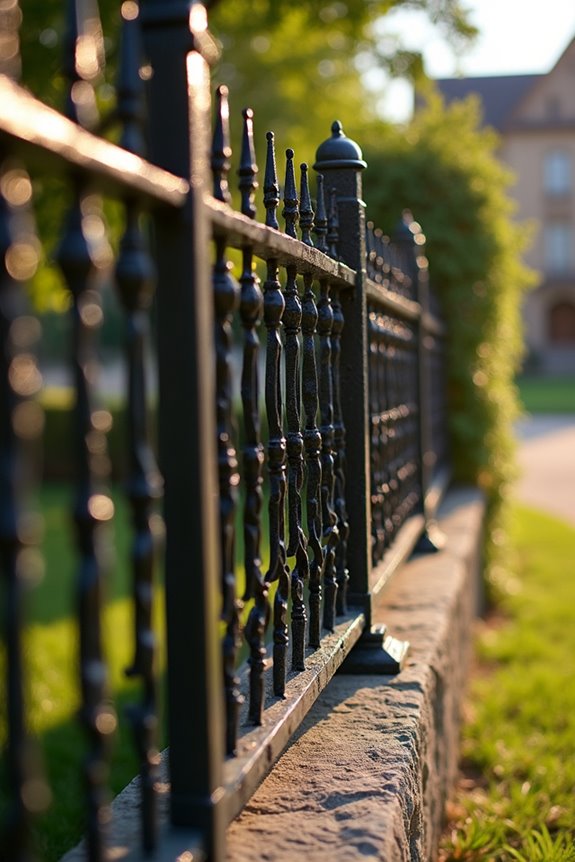
While galvanized steel offers impressive protection through coatings, wrought iron takes durability to another level. You’re investing in forged iron that’ll outlast most fencing materials when you choose wrought iron.
Wrought iron outlasts most fencing materials—a durable investment that compounds in value over decades.
What sets wrought iron apart:
- Lifespan extending 50–100+ years with proper care
- Nearly pure iron construction resists structural failure
- Maintenance every 3–5 years keeps rust at bay
- Some century-old fences still standing today
The catch? Regular maintenance isn’t optional. You’ll need rust inspections and repainting every few years to preserve that premium durability. Yes, it demands attention. But consider this: that longevity compounds over decades. You’re not just building a fence. You’re creating a fence that your grandkids might inherit. That’s the permanence you get with wrought iron—a lasting legacy.
Aluminum and Vinyl: Durable Materials for Low-Maintenance Yards (40–70 Years)
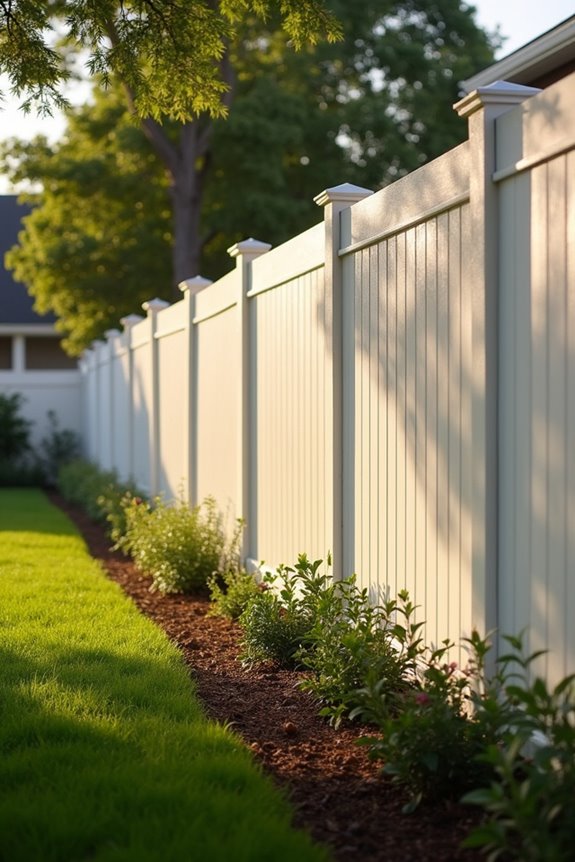
How’d you like a fence that practically takes care of itself?
Aluminum and vinyl fences deliver exactly that. You’re looking at a lifespan of 40–70 years with minimal effort. Aluminum fences excel in coastal areas where rust-resistant properties matter most. Factory-applied powder coatings protect against salt spray and humidity. They’re lighter than steel. Installation goes faster.
Vinyl fences offer different advantages. UV stabilizers prevent fading and warping. No painting required. They handle freeze-thaw cycles well. Moisture won’t rot them. Insects can’t damage them.
Both materials provide low-maintenance durable fencing solutions. You skip years of repainting and repairs. These long-lasting fencing materials belong in yards where you’d rather enjoy your space than maintain it constantly. Choose aluminum for coastal properties. Pick vinyl for freeze zones. Either way, you’re investing in decades of worry-free durability.
How to Choose the Right Durable Material for Your Climate and Budget
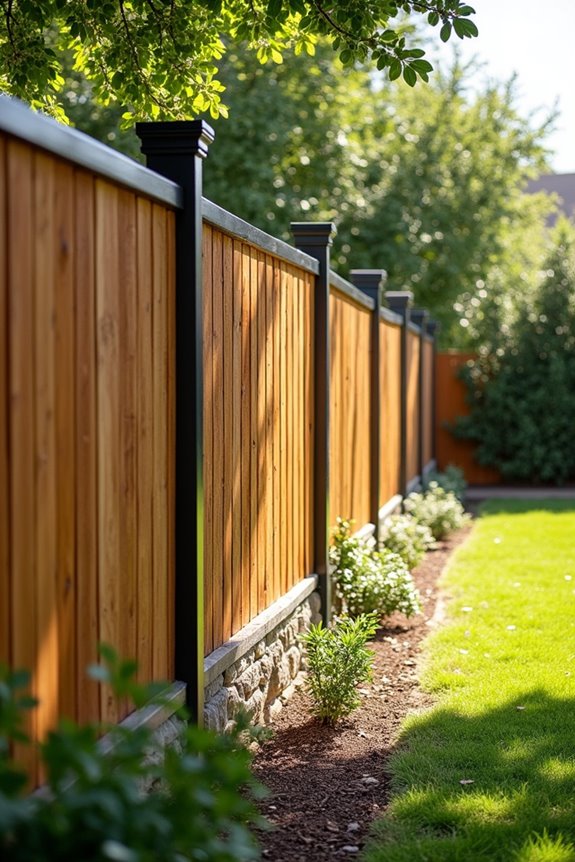
What’s the best fence material for your specific situation? You’ll want to match your choice to three key factors:
- Your climate’s demands (humidity, salt air, freezing cycles)
- How much maintenance you’re willing to do
- Your upfront budget versus long-term costs
In harsh New Jersey conditions, galvanized steel offers climate durability and 40–50 year lifespans. Vinyl fencing and aluminum fencing deliver corrosion resistance without constant upkeep—ideal if you want to minimize maintenance time. Composite fencing costs more initially but stays maintenance-free for 20–30+ years.
Check warranty longevity carefully. A 30-year premium warranty signals fade resistance and durability. Compare total costs: cheaper materials might need frequent repairs, while durable options like aluminum or vinyl require minimal work. Your climate determines everything. Choose what fits your neighborhood’s weather patterns and your lifestyle.
(Missing Fifth H2 in Improved Outline)
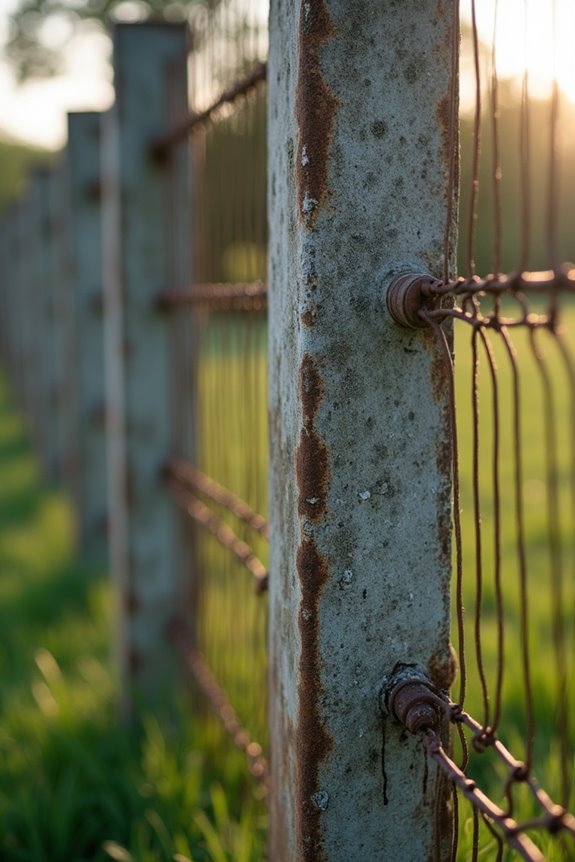
Now that you’ve narrowed down your options based on climate and budget, examine five fence materials with proven long-term performance:
| Material | Lifespan | Maintenance | Best For |
|---|---|---|---|
| Steel | 40–50 years | Low | Diverse climates |
| Aluminum | 50+ years | Minimal | Long-term durability |
| Vinyl | 30–50 years | Low | Fade resistance |
| Wrought Iron | Decades | High | Traditional aesthetics |
| Chain Link | 25–35 years | Moderate | Coastal areas |
Steel fences with galvanization and powder coating deliver exceptional durability. Aluminum fences offer 50+ year longevity with virtually no upkeep. Vinyl fences resist fading and require minimal maintenance. Wrought iron demands regular repainting but lasts decades. Chain link, especially vinyl-coated variants, resists corrosion in humid environments. Each option provides a practical long-lasting solution for different property needs.