You’ll protect treated fence boards with copper-based preservatives like ACQ and Copper Azole, which penetrate deep into wood fibers. These stop rot and insects before damage happens.
Oil-based options like Copper Naphthenate work well for ground-contact areas. Water-based treatments dry faster and are easier to paint over. Micronized copper formulations offer extended protection.
Apply preservatives to bare wood, then seal within 48 hours. Retreat every 5-10 years depending on your climate and treatment type. The right combination of chemical treatment plus barrier protection keeps your fence in good condition.
Water-Based Preservatives: ACQ, Azole, and Copper
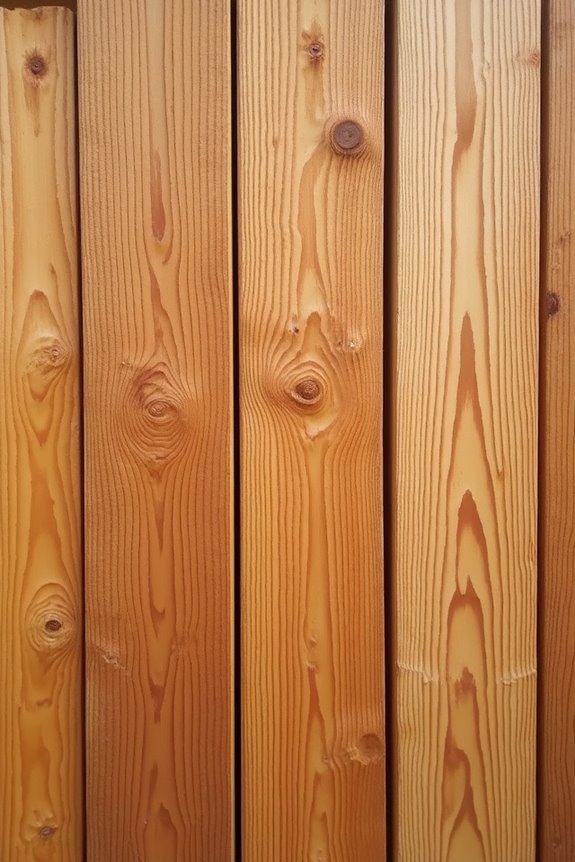
Because wood inherently attracts decay-causing fungi and insects, modern fence boards need chemical protection to last. Water-based preservatives are the standard choice today. ACQ and Copper Azole represent the most common options available to homeowners.
ACQ combines copper with a quaternary compound. This combination protects against rot and insects effectively. Copper Azole works differently by pairing copper with a fungicide. Some formulations even include boric acid for additional protection.
Both water-based preservatives replaced CCA, which was phased out in 2004. These newer treatments offer advantages because they’re paintable and less odorous than older options. They also lodge copper particles deep into wood fibers. Your fence boards stay protected for years with proper application and maintenance.
Oil-Based Treatments: Copper Naphthenate and Traditional Options
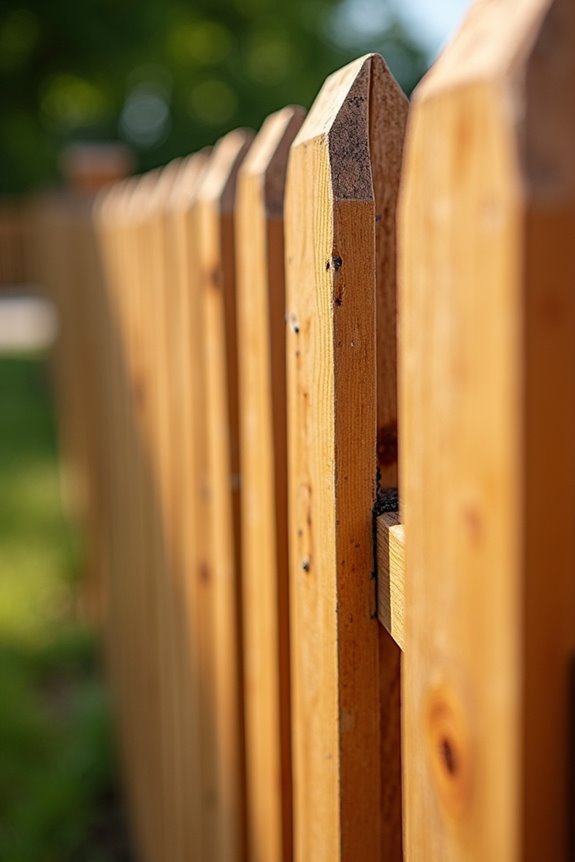
Oil-based treatments offer different protection than water-based options. You’ll find that copper naphthenate, which has been used since the 1940s, provides strong ground-contact wood protection through both oil and water-soluble formulations. Traditional options like creosote and pentachlorophenol exist for commercial applications, though they’re not available for residential fence projects.
Copper Naphthenate: Properties And Uses
Since the 1940s, copper naphthenate has served as a reliable oil-based wood preservative. You’ll find it protecting fence posts and structural elements in demanding environments. This wood preservative works well for ground-contact treatment situations where decay and insects threaten durability.
| Feature | Benefit |
|---|---|
| Low water solubility | Stays in wood longer |
| Slight soil mobility | Minimal environmental leaching |
| Dual protection | Fights insects and decay |
| Extended durability | Handles harsh conditions |
What makes copper naphthenate stand out? It doesn’t wash away easily. You get reliable protection for years. The ground-contact treatment applications prove particularly effective in acidic soils, though leaching increases there slightly.
Oil-based formulations do have trade-offs. Odor lingers longer than water-based options. Surface paintability requires patience. But your fence boards gain serious durability advantages that justify these minor inconveniences.
Oil-Based Application Methods
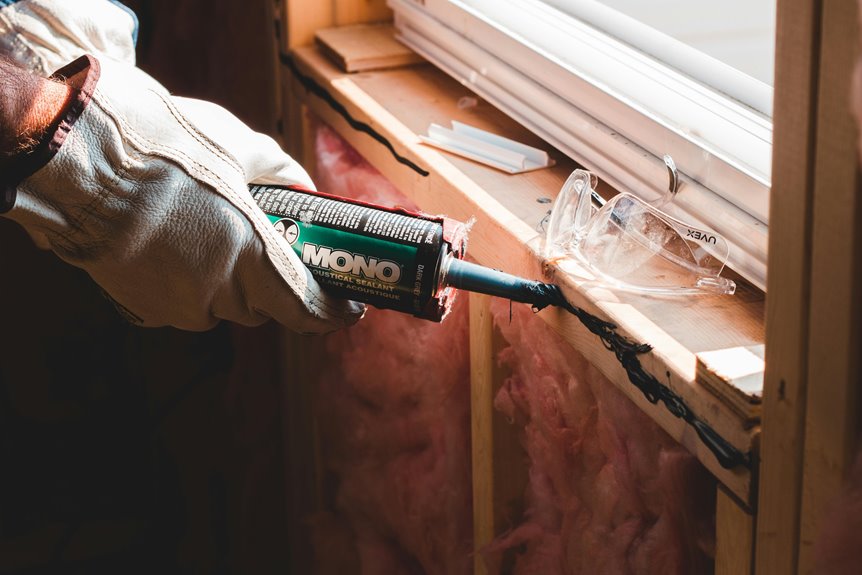
Applying copper naphthenate to your fence boards requires different techniques than water-based treatments. You’ll find this oil-based preservative works best through brush application or spraying methods. The oil formulation penetrates wood differently than water-based options. You’re coating each board with a protective layer that shields against decay and insects.
Brush application gives you control. You can target problem areas directly. Spraying covers larger surfaces faster but requires protective equipment. Either method demands patience—oil-based wood treatment dries slower than water alternatives.
One challenge you’ll face: this oil-based preservative makes painting difficult later. The slick surface resists paint adhesion. Plan your finishing steps carefully before applying the copper naphthenate. Strong odors accompany application too. Ensure good ventilation while working. Traditional oil-based options like creosote exist for commercial use only, leaving Copper Naphthenate your residential choice for oil-based protection.
Traditional Preservative Options
Copper naphthenate is the primary oil-based choice for residential fence protection. It has protected wood since the 1940s. This preservative works in both oil and water-soluble forms and creates a protective barrier against insects and rot.
Oil-based treatments differ considerably from water-based options. They form a film around your wood that can slowly leach components over time. You need to evaluate your site carefully. The chemicals may volatilize, or evaporate, as years pass.
Commercial applications use stronger options like creosote and pentachlorophenol. These are not available for home projects. Copper naphthenate offers a practical middle ground. It’s slightly mobile in soil but not highly water-soluble. This characteristic helps it remain where you need protection most.
How Copper Protects Treated Fence Boards
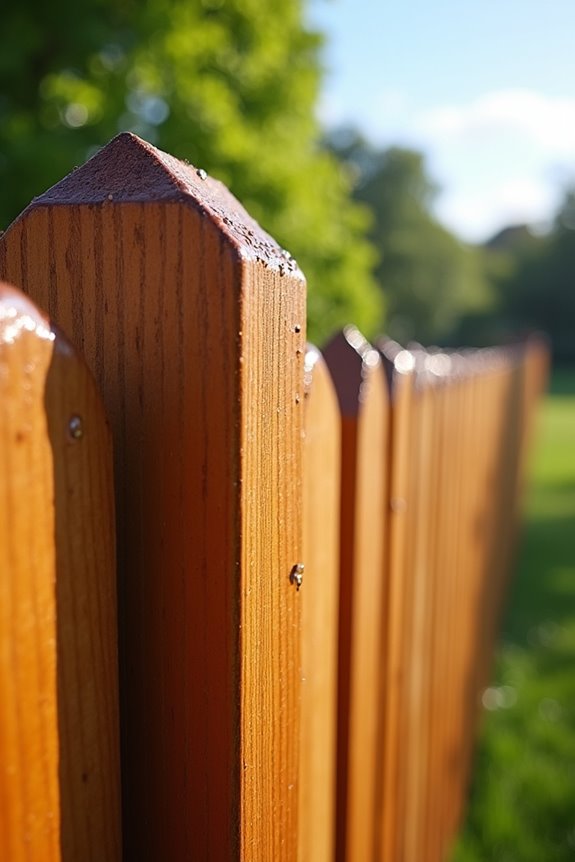
Copper works in two powerful ways. It disrupts fungal decay by interfering with how fungi break down wood fibers, and it repels insects by creating an inhospitable environment they want to avoid. You’ll find copper in several fence-friendly formulations—ACQ (alkaline copper quaternary), CA (copper azole), MCA (micronized copper azole), and MCQ (micronized copper quaternary)—each combining copper with additional preservatives to address different decay threats.
Copper’s Dual-Action Protection
How does one chemical element guard your fence from two completely different threats? Copper does exactly that. Copper-based preservatives deliver what you need: fungicidal action and insecticidal protection working simultaneously.
Here’s what happens. The copper attacks fungus that causes rot. Meanwhile, it kills insects like termites that damage wood from inside out. You’re getting two protections in one treatment.
Different copper formulations exist. ACQ combines copper with quaternary compounds. Copper Azole adds fungicide to the mix. Micronized versions use tiny copper particles that embed deep in wood fibers.
This dual approach means your fence resists decay and pest damage at the same time. You’re not choosing between rot protection or termite protection. You’re getting both. That’s why copper-based preservatives remain popular for serious fence protection.
Copper Formulations For Fences
Which copper-based formula works best for your fence depends on what you’re protecting against and where your fence sits. You have several copper-based preservatives to choose from. ACQ and Copper Azole are two popular options that use copper ions to fight fungi and insects effectively. Micronized versions like MCA and MCQ use less copper while keeping the same protection level. Some Copper Azole blends include boric acid or fungicidal agents for extra decay defense. Your fence boards need different protection depending on location. Ground-contact applications require stronger formulations than above-ground installations. Water-based systems work for most situations. Check the end-use label on your treated boards carefully. It will tell you exactly what application your specific copper treatment handles best.
Fungicides in Treated Boards
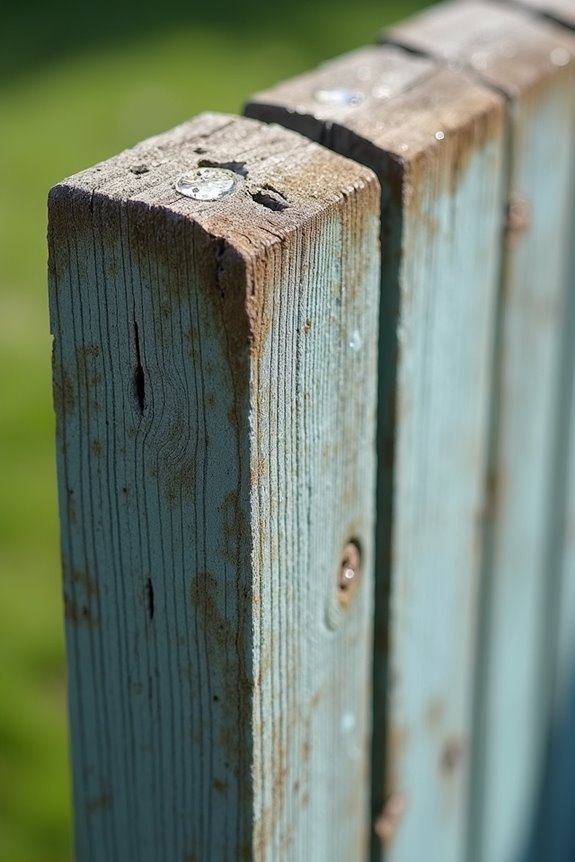
What’s protecting your fence from rot and fungal decay? You’re relying on fungicides—chemical agents that fight off the fungi threatening your boards. Here’s what you should know:
- Copper-based preservatives like Alkaline Copper Quaternary (ACQ) and Copper Azole (CA) combine copper with antifungal agents for reliable protection
- Micronized copper formulations embed tiny particles to prevent fungal rot while using less copper overall
- Borate-based components provide antifungal defense, often paired with exterior barriers for maximum effectiveness
- Oil-based fungicidal preservatives offer moisture and rot resistance but may limit paintability
These treatments work together to keep decay at bay. ACQ and CA are industry standards. They’re trusted by homeowners like you who want fences that last. Understanding these fungicides helps you make informed choices about your fence’s longevity.
Pressure-Treated vs. Naturally Resistant Wood
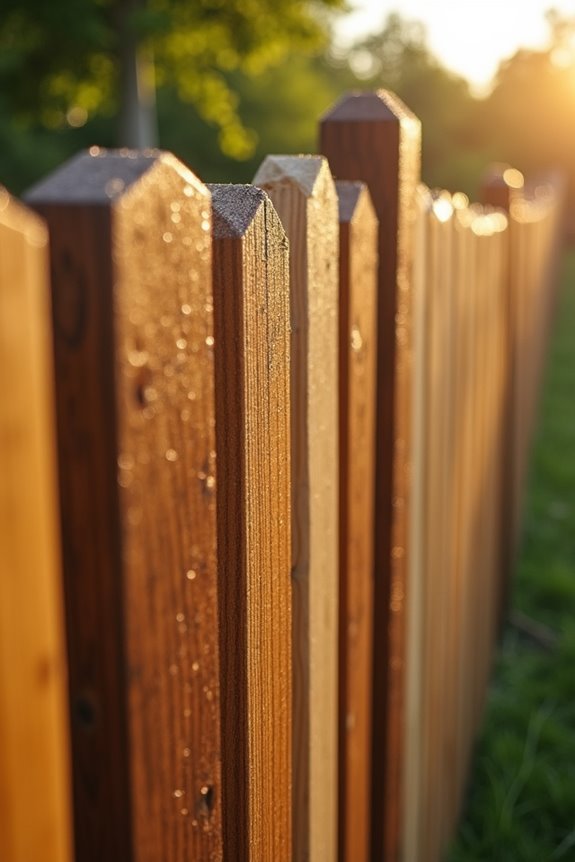
Now that you understand how fungicides work inside treated boards, you’re probably wondering: should you choose pressure-treated wood or naturally resistant wood for your fence?
Here’s the real difference. Pressure-treated wood gets chemicals forced deep inside using machines. Naturally resistant wood like cedar relies on natural oils already there. You don’t need extra chemicals.
| Feature | Pressure-Treated | Naturally Resistant |
|---|---|---|
| Chemical Process | Deep infusion required | No chemicals needed |
| Preservative Type | Copper-based preservatives | Inherent natural oils |
| Maintenance | Minimal upkeep needed | Minimal upkeep needed |
| Cost | Budget-friendly | More expensive |
Copper-based preservatives in pressure-treated wood fight fungi and insects effectively. Cedar avoids chemicals entirely. Both options work well. Your choice depends on budget and preference. Either way, you’re joining homeowners who prioritize long-lasting fences.
Are Chemical Treatments Alone Enough?
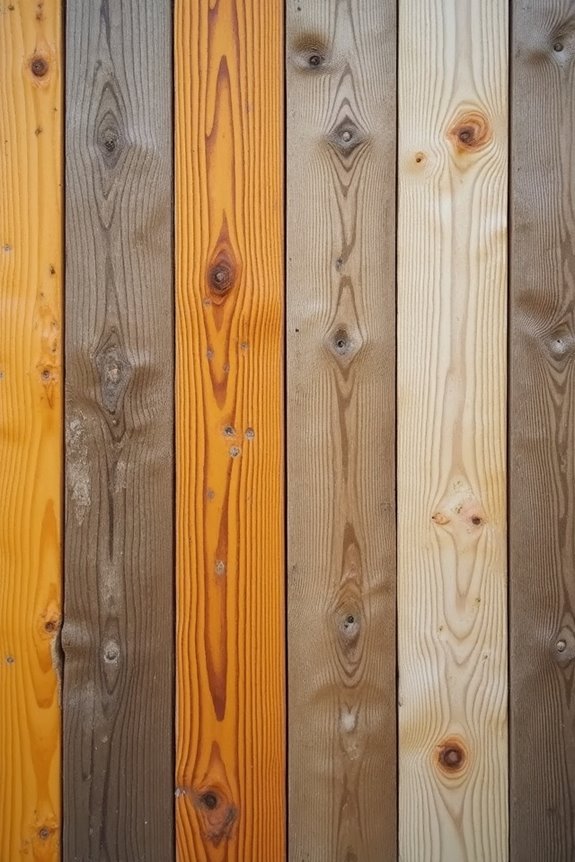
If you’ve invested in pressure-treated boards, you might assume the chemicals do all the work. They don’t. Chemical treatments like ACQ slow decay and deter insects. But they’re incomplete solutions.
Here’s why chemicals alone fall short:
- Ground contact zones remain vulnerable without extra protection despite chemical application
- Water penetration occurs at cut ends and joints where preservatives don’t fully seal
- Leaching happens over time as soil moisture interacts with treated wood
- Barrier sleeves like RotGuard seal the ground-line area chemicals can’t adequately protect
Think of it this way: chemicals give your fence a head start. Protective barriers complete the solution. You’ll extend your fence’s life by combining treatments. The end tags and standards guide proper use. But you’re responsible for adding that barrier sleeve layer. Your investment deserves complete protection.
How to Apply Treatments to Fence Boards
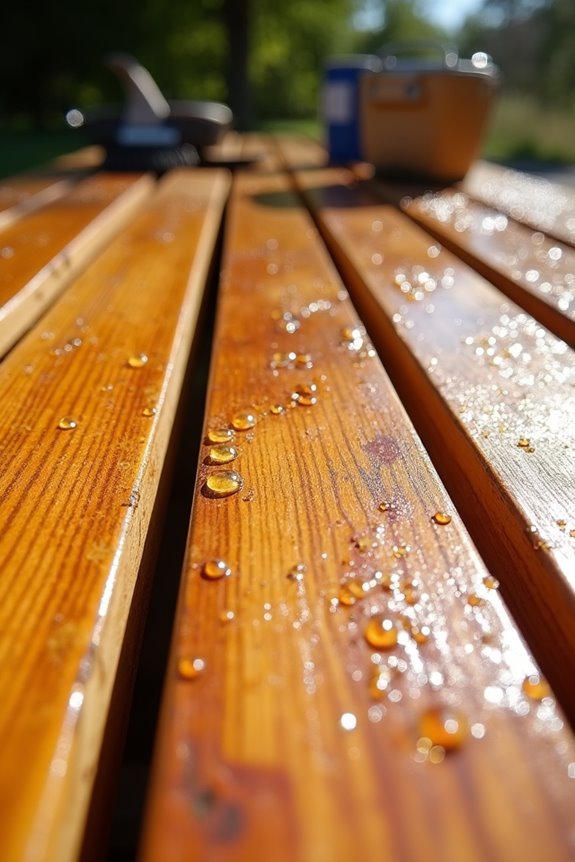
You’ve got three critical factors. Proper surface prep, application method choice, and weather timing all determine whether your treated boards stay protected or fail prematurely. Getting these steps right means your fence investment lasts decades instead of deteriorating in just a few years.
Surface Preparation Techniques
How do you actually get protective treatments into fence wood?
You’ve got to prep surfaces properly. Start with these steps:
- Clean the wood thoroughly with a stiff brush to remove dirt, mold, and debris that block penetration
- Sand rough areas lightly so preservatives can absorb evenly into the grain
- Let the wood dry completely before applying any treatments
- Inspect for existing damage or soft spots that need extra attention
Deep-penetrating preservatives work best on bare wood. You’ll apply them to lower portions and fresh surfaces first. This ground-line protection stops rot where it starts—right at soil contact.
After preservatives soak in, add moisture sealing with water-repellent coatings. They slow moisture movement through the wood fibers. Think of it like giving your fence an invisible raincoat.
Application Methods And Tools
Once your fence boards are prepped and dry, you’ll need to get the actual treatment into the wood. You have several options here. Pressure treatment forces preservatives deep into wood fibers. This method works best for serious protection. Dipping and soaking work for smaller projects. You submerge boards in treatment solutions for thorough coverage. Paint-on products offer convenience for touch-ups and repairs.
For fence boards, copper-based preservatives like ACQ are popular choices. They provide reliable protection against rot and insects. Apply these treatments with brushes or sprayers evenly across all surfaces.
Don’t forget barrier wraps for ground-contact areas. These wraps add an extra defense layer where wood meets soil. Combine your chosen treatment method with quality wraps for maximum durability and protection.
Timing And Environmental Conditions
Timing And Environmental Conditions
The timing of fence board treatment affects how well treatments bond to the surface and protect against moisture resistance issues.
Application timeline:
- Apply deep-penetrating preservatives to lower portions before fence installation
- Treat all fresh surfaces immediately after cutting or sawing
- Install protective barriers where posts meet soil contact areas
- Apply exterior sealants within 48 hours of preservative treatment
Work during dry weather when temperatures stay above 50°F. Moisture interferes with chemical penetration and curing. Acidic soils require specific water-based formulations like ACQ or CA that resist leaching. This strategic timing provides lasting protection against rot and decay in your fence structure.
Safety When Handling Treated Boards
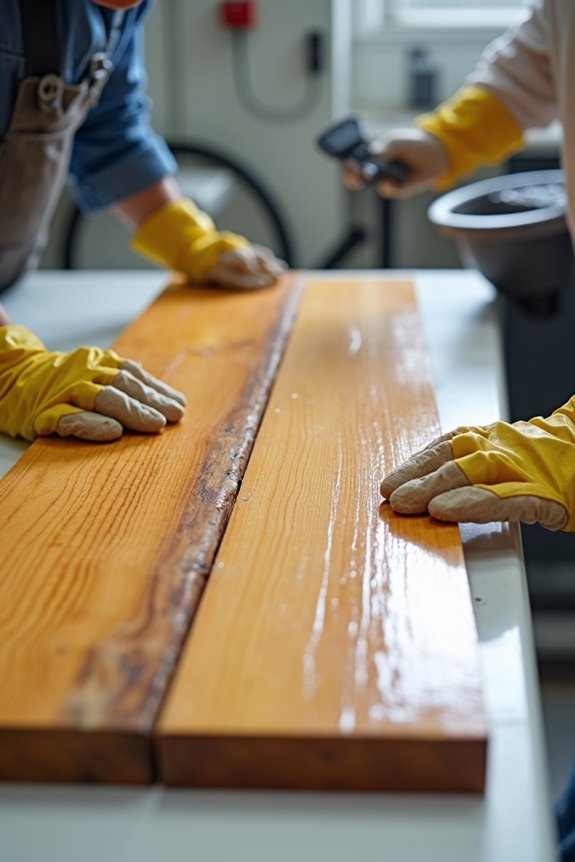
Why does handling treated lumber require extra precautions? Treated wood contains chemical preservatives that protect against rot and insects, but these same chemicals demand respect during treated wood handling. You’ll encounter fumes or particles when cutting or sanding, especially indoors without ventilation. Different preservatives behave differently, so checking end tags matters—they identify your board’s usage category and preservative type.
| Preservative | Indoor Use | Leaching Risk | PPE Needed | Notes |
|---|---|---|---|---|
| ACQ | Limited | Moderate | Gloves, mask | Water-resistant |
| CCA | Outdoor only | High copper/arsenic | Full gear | Legacy material |
| Borates | Interior safe | Low | Basic | Different mobility |
| Creosote | No | High | Full protection | Odor and dermal risk |
| Copper naphthenate | Outdoor | Varies | Standard | Common residential |
Always wear protective gear and provide adequate ventilation. Leaching safety depends on soil moisture and preservative type, so understand what you’re handling before beginning work.
How Long Treatments Last in Wet Climates
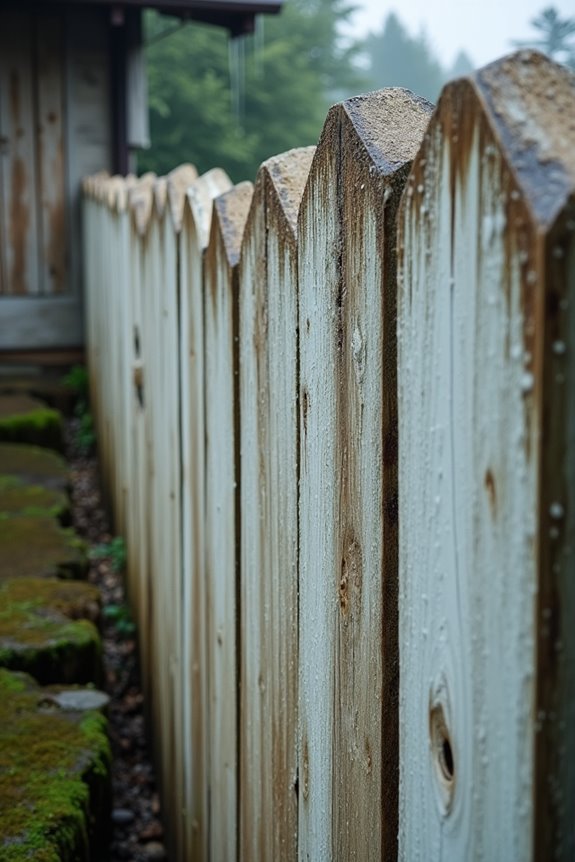
You’re facing a real challenge. Moisture constantly attacks chemical treatments, breaking them down faster than you’d see in dry climates, which means your fence boards need strategic planning to stay protected. Water-based preservatives like ACQ and CA work well initially, but they can leach—or wash away—into wet soil over time, so you’ll need to reapply surface coatings every 2-3 years rather than the 5+ years you might get elsewhere. The good news: adding protective barriers like rot sleeves around the ground-line zone, plus using oil-based treatments where permitted, can extend your boards’ life by decades instead of just years.
Moisture Accelerates Chemical Breakdown
How much longer will your treated fence actually last in a rainy climate? Not as long as you’d hope. Here’s why moisture wreaks havoc on your chemical protections:
- Water absorption accelerates wood breakdown near the ground line where treatments concentrate
- Copper and other preservatives leach away faster in wet soil environments
- End grain soaks up moisture readily. This is where protection fails quickest
- Soil organisms stay active year-round in wet climates. They consume depleted treatments
You’re fighting chemistry itself. Moisture moves continuously through wet and clay soils. This constant moisture movement depletes your fence’s chemical defenses faster than dry conditions would. The copper compounds that protect against rot start migrating away during those first critical months. Your fence basically self-sabotages in humidity. For this reason, barrier sleeves and ground-contact protection become essential investments in rainy regions.
Climate-Specific Treatment Durability
Given that moisture depletes your fence’s defenses rapidly, the type of chemical treatment you choose matters significantly in rainy regions. Copper-based preservatives like ACQ and CA work well initially. However, they leach copper near wet soil over time. Micronized copper formulations use less copper overall. This reduces leaching somewhat but doesn’t eliminate it entirely.
Oil-based options like copper naphthenate offer stronger wet-climate resistance. Creosote works too, though it’s banned for residential projects.
Here’s what makes a real difference: ground-line barriers. Barrier sleeves and rot barriers prevent soil moisture contact where your fence needs protection most. They substantially extend moisture durability by complementing your preservative’s effectiveness.
Check AWPA and ICC-ES standards. They’ll guide you toward treatments matching your climate’s specific demands. Your fence deserves this targeted approach.
Reapplication Schedules For Wet Regions
When does your treated fence board actually need retreating? In wet regions, you’ll need more frequent reapplication schedules than drier climates demand. Here’s what you should know:
- Copper-based preservatives (ACQ, CA, MCA/MCQ) leach faster in acidic, moist soils—plan retreatment every 5-7 years
- Micronized copper options extend intervals to 8-10 years by resisting leaching better
- Oil-based treatments like creosote require reapplication every 4-6 years due to surface degradation
- Water-based preservatives need the shortest intervals at 3-5 years because they leach quickly near wet areas
Adding barrier enhancements like RotGuard sleeves reduces moisture contact significantly. Combined with consistent reapplication schedules, these methods extend your fence’s protective life. Staying proactive about seasonal moisture challenges protects your investment.
Layer Chemical and Physical Barriers
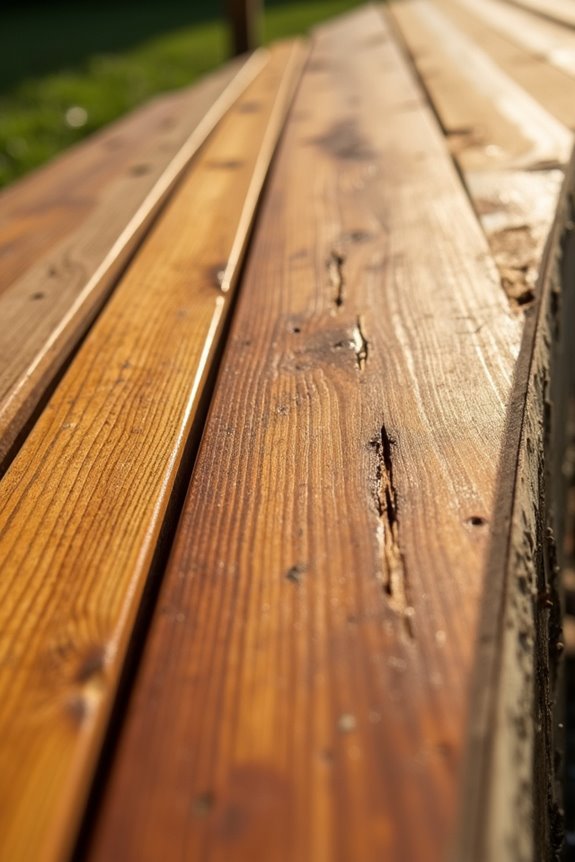
Why does the ground-line zone matter so much? This is where your fence takes the most punishment. Soil moisture and organisms attack wood at ground level constantly.
You’ll want to layer both chemical and physical protection. Products like RotGuard Wood Rot Barrier seal this critical zone. Barrier sleeves (such as Postsaver) wrap around post bases. Metal caps add another waterproof layer on top.
Bitumen-based coatings create thick moisture barriers too. They work best combined with other solutions rather than alone.
Here’s the smart approach: pair barrier sleeves with deep-penetrating preservatives. Add proper drainage in your post hole. This combination limits moisture movement significantly. You’re building multiple defenses against rot. Your fence will last decades longer when you install these correctly.
Signs Your Treated Fence Boards Need Retreatment or Resealing
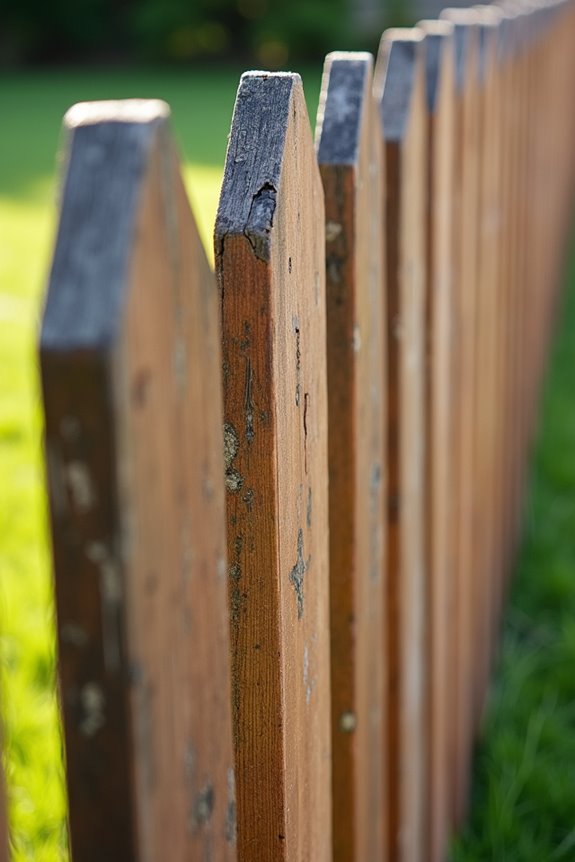
Installing multiple protective layers gives you a strong defense against rot. Your treated wood investment requires regular attention. Watch for these warning signs indicating your sealant needs attention:
Multiple protective layers build strong rot defense, but your treated wood investment demands consistent maintenance and vigilant inspections.
- Fading, chalking, or loss of protective sheen signals coating deterioration
- Cracks or peeling at joints and ground contact zones compromise protection
- Persistent sunlight exposure accelerates finish breakdown across board surfaces
- Dull or worn appearance indicates weakened moisture resistance
After identifying these issues, you’ll need retreatment. Clean and dry the boards thoroughly first. Then reapply a penetrating wood preservative according to product guidelines. For existing coatings, verify new sealant compatibility with original treatments. This preventive approach maintains your fence’s structural integrity. Regular inspections catch problems early, reducing costs and extending board life significantly.
Why CCA Disappeared From Residential Fences
How’d fence boards get so dangerous? CCA (Chromated Copper Arsenate) protected residential fences since the 1940s. But here’s the problem: copper leaching from CCA boards meant you and your family faced real health risks. The EPA took action. By December 31, 2003, residential uses were largely canceled. Why? Workers and homeowners experienced concerning health effects from ongoing exposure. CCA can still leach copper, chromium, and arsenic into soil and groundwater near your residential fences. Copper leaching happens most readily, contaminating areas where kids play or where you grow food. The EPA now classifies CCA as restricted-use only, requiring certified applicators for any remaining commercial applications. That’s why alternatives like ACQ and copper azole replaced it for residential projects.
When and How to Reseal Treated Fence Boards
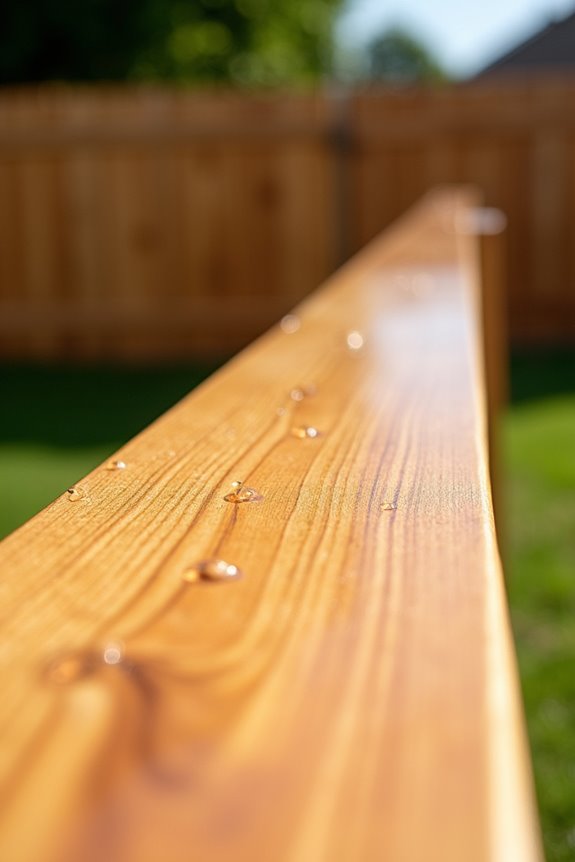
Now that you understand why CCA got phased out, protect your fence’s replacement boards from the elements. Modern wood preservatives are effective, but an extra layer of defense is necessary.
Resealing treated boards strengthens moisture protection. Follow this maintenance plan:
Resealing treated boards strengthens moisture protection and extends your fence’s lifespan through consistent yearly maintenance.
- Clean boards thoroughly and let them dry completely before applying any sealer
- Apply water-repellent sealer or exterior barrier coating to lower portions and fresh cuts
- Reapply sealers yearly to every few years depending on your climate and sun exposure
- Pair sealing with protective barriers like rot sleeves for ground-line protection
Cedar and untreated wood require staining or sealing to preserve color. Treated wood needs that protective topcoat as well. This investment extends your fence’s lifespan.
Install and Protect Treated Boards for Years
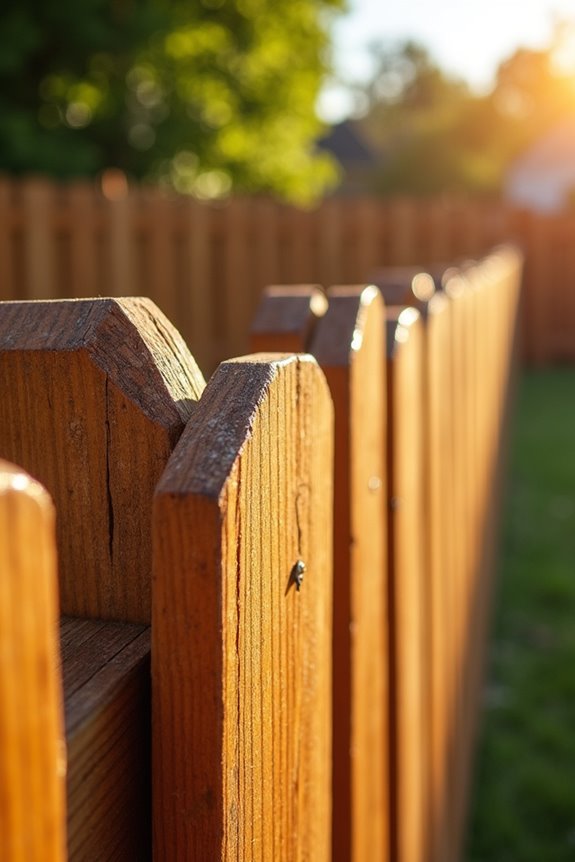
Your treated fence boards won’t last decades on their own. You’ll need a complete protection system combining chemical treatments with physical barriers. Install RotGuard sleeves or barrier wraps at ground level. These materials minimize moisture ingress and ground contact—your biggest enemies.
Choose ACQ or copper-based preservatives. They resist fungal decay and insects effectively. However, ACQ can leach copper into surrounding soil, especially within the first year. Monitor areas near your fence. Micronized copper formulations offer similar protection using less copper. The particles lodge deeper in wood, reducing leaching potential.
Check end tags and AWPA standards. They guide proper application for your climate and soil conditions. Combine deep-penetrating preservatives with physical barriers. This partnership keeps your fence standing strong for years. You’re investing in durability, not just treating wood.