
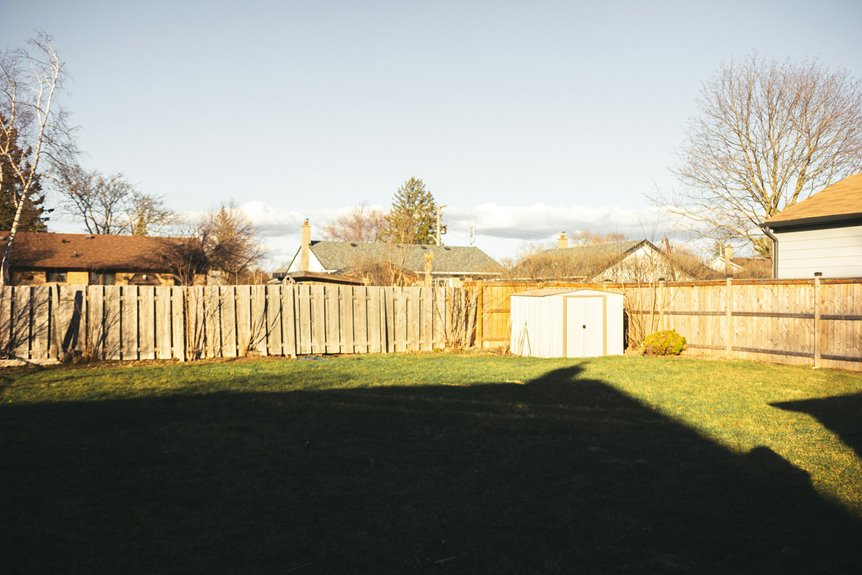
Backyard is one word. You should use it in nearly all writing situations. Use “backyard” when describing the physical space, activities, or as an adjective—like backyard barbecue or backyard games. The two-word form “back yard” rarely appears in modern American English. British English sometimes uses “back yard,” but “backyard” remains standard across most contexts. When you’re uncertain, stick with one word. Understanding the nuances behind this choice reveals why similar compound words follow different patterns.
Backyard Is Standard: One Word
The spelling question’s settled. “Backyard” wins as one word. You’ll find this single-word form in major dictionaries. It’s the standard across most writing contexts. Grammar guides consistently recommend it.
Here’s why it matters: you’re using “backyard” as both a noun and adjective. When you describe a backyard barbecue or backyard games, that one-word form works perfectly. It’s easier to read. It flows better on the page.
Two-word versions occasionally appear, but they’re becoming rare. Modern usage strongly favors the single word. You won’t look outdated choosing “backyard.” Instead, you’ll align with current writing standards.
The takeaway? Use “backyard” confidently. One word. Every time. This consistent choice keeps your writing clear and professional.
When to Use Backyard (Single Word)
You’ll use “backyard” as a single word in almost every situation you encounter. Whether you’re describing the physical space (the backyard needs mowing) or activities happening there (backyard barbecue, backyard pool party, backyard games), the one-word form is your standard choice. This consistency makes writing easier since you’re not switching between forms based on subtle context differences.
Adjective and Descriptive Usage
Modifiers describing activities or spaces behind your house almost always call for the single-word form. You’re using “backyard” correctly when it describes something directly. Think “backyard barbecue,” “backyard pool,” or “backyard games.” These examples show the adjective function clearly. Modern readers expect this one-word styling. It’s more familiar and easier to scan.
The pattern matches other back- compounds. Consider “backpack” or “backpedal.” They’re single words too. Your brain processes “backyard party” faster than alternatives because consistency matters.
You’ll notice style guides increasingly favor this approach. It aligns with contemporary usage standards. When you’re describing an activity or space modifier, choose the single word. This choice reflects current best practices and keeps your writing sharp and professional.
Common Backyard Activity Examples
What activities happen in your backyard? You’ll find countless ways to use this space. Backyard barbecues top the list. You gather friends and family around grills. Pool parties keep everyone cool and entertained. Kids play games on the lawn. You might build sheds for storage needs. Some people garden and grow vegetables. Others set up fire pits for evening gatherings. Backyard movie nights create special memories. You can host sports activities like badminton. Picnics spread across blankets work perfectly here. Camping trips happen right outside your door. These activities share one thing in common—they happen in your backyard space. When you describe these events, use the one-word form: backyard. It sounds natural and readers understand immediately. Your backyard becomes more than just property. It becomes your personal gathering place.
When to Use Back Yard (Two Words)
When you’re describing the actual location or position of something in that rear area, you’ll want to use the two-word form “back yard”—it reads more naturally and is traditionally correct in sentences like “The dog’s playing in the back yard.” You might notice that different English-speaking regions favor one form over the other, with some areas strongly preferring the two-word version for its clarity and formal tone. Consider how “front yard” almost always stays as two words; “back yard” follows that same standard for consistency and readability.
Nominative Usage and Location
How do you know which spelling fits your sentence? When you’re describing the actual location behind your house, you’ll use back yard as two words. This nominative usage refers to the physical space itself.
Here’s when you’ll reach for the two-word form:
- When you’re talking about the location on your property
- In sentences like “We played in the back yard”
- When naming the specific area behind your house
- In casual conversations about outdoor spaces
- When describing where something physically exists
You’re using nominative form when the words function as nouns naming a place. The backyard becomes “the back yard” in these contexts. Think of it this way: if you can point to it and say “that’s the back yard,” you’ve got the right spelling. This distinction helps you write with accuracy and join readers who understand these nuanced grammar rules.
Regional Variations in English
Your location matters when you’re deciding between backyard and back yard. If you’re writing in British English, you’ll likely use back yard as two words. This form works especially well when you’re describing a specific location. Think of it this way: “The back yard of the house needs work.” Americans, however, strongly prefer backyard as one word in almost all situations. You’ll see backyard used for both nouns and adjectives across American writing. British writers sometimes swap back yard for back garden instead. The word yard itself carries different meanings depending on context. In Britain, yard often suggests a paved or practical space. Your audience’s expectations matter too. Match your regional norms to show you understand your readers’ conventions.
Comparing Front Yard Standards
Ever notice how front yard always stays two words?
You’re seeing a real pattern here. Unlike “backyard,” which consolidates into one word, “front yard” refuses to merge. Here’s why that matters:
- Front yard has no single-word equivalent in English
- Back yard can be written both ways depending on context
- Adjective use differs between front and back forms
- Regional preferences influence spelling choices
- American English favors “backyard” while British English accepts “back yard”
When you’re writing about your property’s front section, you’ll always use two words. That consistency makes things easier. The front-related terminology simply didn’t evolve the same way as back-related terms did. So you’re not overthinking it—front yard is standardized. Meanwhile, backyard’s flexibility reflects how language naturally adapts. Understanding these distinctions helps you write with confidence and clarity.
How Backyard Became the Standard
Why’s the one-word spelling won out over time? You’re seeing backyard consolidate into a single word because of how often you use it. The back- prefix naturally compounds with yard through frequent, everyday usage. This happens with backdoor, backseat, and similar terms—they all follow the same pattern.
Dictionary makers track real usage. When you say “backyard barbecue” or “backyard fence,” you’re reinforcing the one-word standard through repetition. Language evolves toward efficiency. Shorter, simpler forms win out.
British English slightly complicates things. Some regions still accept “back yard” as two words. They often prefer “back garden” anyway. But across most modern English, the one-word form dominates written and spoken communication. Frequency drives standardization. You’re part of this evolution whenever you write it.
Common Mistakes to Avoid
What trips people up most? You’re mixing up when to use one word versus two. Here’s what commonly confuses writers:
- Using “back yard” as a modifier (wrong: “back yard barbecue”)
- Treating both forms as interchangeable in all contexts
- Following British conventions when writing American English
- Inconsistently switching between forms within the same document
- Assuming older style guides still apply today
The safest choice? Use “backyard” as one word. It’s modern. It’s clear. It works as both a noun and adjective. When you write “backyard party” or “I’ll meet you in the backyard,” you’re following current standards that most readers expect. Keep your usage consistent throughout your writing. Stick with one form across your document. This approach keeps your work professional and readable.
Why Backyard and Front Yard Follow Different Rules
“backyard” consolidated into one word while “front yard” stubbornly remains two. You’ve probably noticed this inconsistency before.
The reason? Frequency matters. You use “backyard” constantly in modern writing—backyard barbecue, backyard games, backyard fence. This repeated use as an adjective and noun naturally pushed it toward single-word status. Front yard doesn’t get the same treatment because it appears less often in everyday contexts.
Front-loaded terms follow different patterns. “Front door” and “front seat” stay open or hyphenated, while their back counterparts (“back door,” “back seat”) consolidated into single words. This asymmetric consolidation reflects how language evolves through usage patterns.
Regional variation adds another layer. British English sometimes keeps “back yard” as two words and prefers “back garden” entirely. These differences show how language habits shape spelling conventions across communities.
What British English Does Differently
How’s the British approach different? You’ll notice British English handles this term quite distinctly from American usage. While Americans standardized on “backyard” as one word, the British maintain flexibility with “back yard” as two separate words in many contexts.
Here’s what sets British practice apart:
- Back garden dominates – British speakers prefer this term over back yard entirely
- Context matters more – Two-word usage appears in casual or metaphorical situations
- Utilitarian distinctions – “Yard” suggests paved or practical spaces. “Garden” implies planted areas
- Collins dictionary approval – Major British references accept back yard as legitimate
- Regional variation exists – Different regions show different preferences and usage patterns
You’re essentially choosing between standardized American convention and British flexibility. The British approach gives you more options depending on your specific outdoor space and writing context. That’s useful when describing different property types.
How to Decide for Your Own Writing
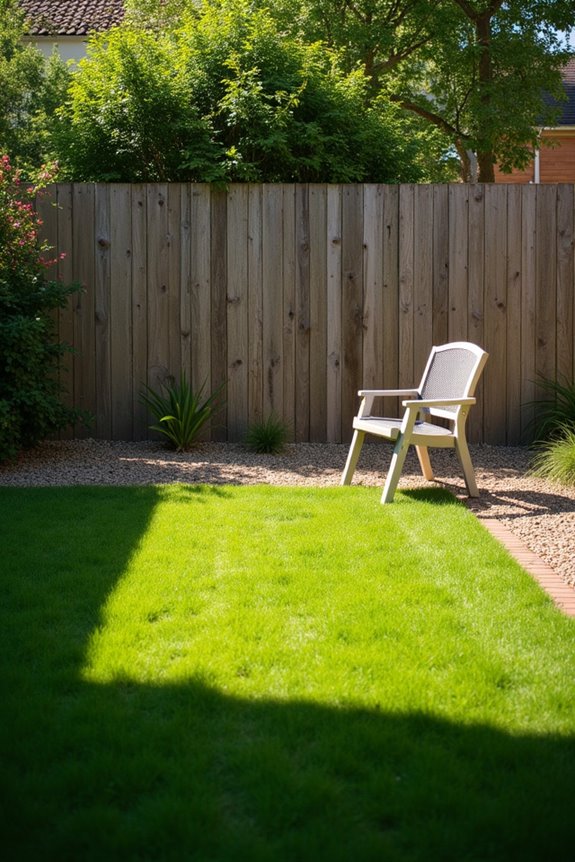
Now that you’ve seen how different regions handle this spelling, you can make an informed choice for your own writing.
Start by identifying your audience. Writing for American readers? Use backyard as one word. It’s the standard choice. Targeting British audiences? Stick with back yard or back garden instead.
Consider your context next. Are you describing an activity or object? Write backyard as one adjective—like “backyard barbecue.” Describing the physical location behind a house? Either backyard or back yard works, though one word reads more smoothly.
Check your style guide. Many publications have specific preferences you’ll need to follow. When you’re unsure, backyard remains your safest bet for clarity and readability.
Choosing Between Backyard and Back Yard: A Quick Reference
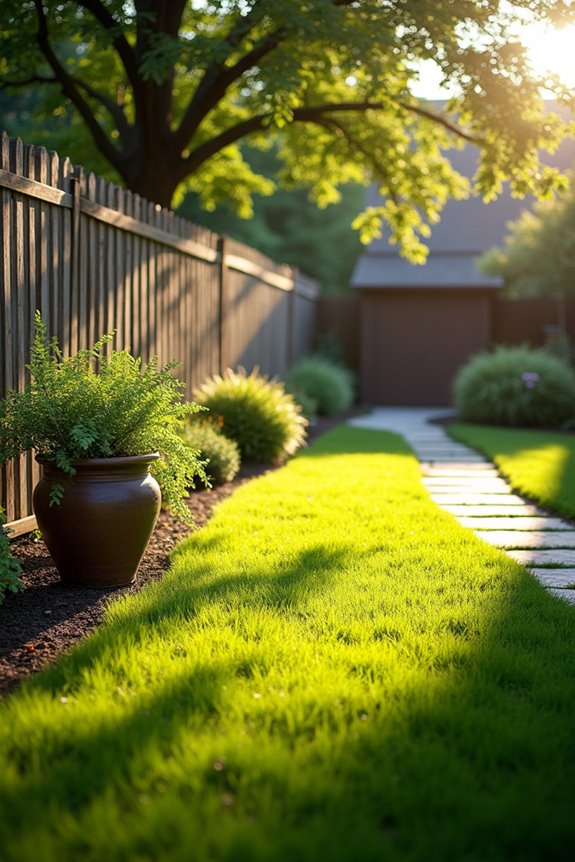
When should you use one word versus two? The answer depends on your context. Here’s your quick guide:
- Use “backyard” (one word) for adjective phrases like backyard barbecue or backyard games
- Use “back yard” (two words) when describing the location itself, such as “I’m playing in the back yard”
- Choose “backyard” for general reference and modern writing standards
- Consider emphasis with “back yard” when you want a deliberate pause between words
- Check your style guide if you’re writing for a specific publication or organization
Most writers favor backyard as a single word. It’s readable, standard, and covers both adjective and noun uses effectively. You’ll fit right in using this approach. When you’re describing the physical space explicitly, back yard works too. Pick what feels natural for your sentence. You can’t go wrong either way nowadays.